One of the most common questions I hear in the consulting room is: “How often should I brush my dog’s teeth?
The short answer? Every day if you can. But don’t worry—if that feels unrealistic, even a few times a week can make a big difference to your dog’s health.
And let’s be honest—while we all love a cuddle with our dogs, none of us love that dreaded “dog breath.” Thankfully, good dental hygiene can help with both.
Why Does My Dog’s Breath Smell Bad?
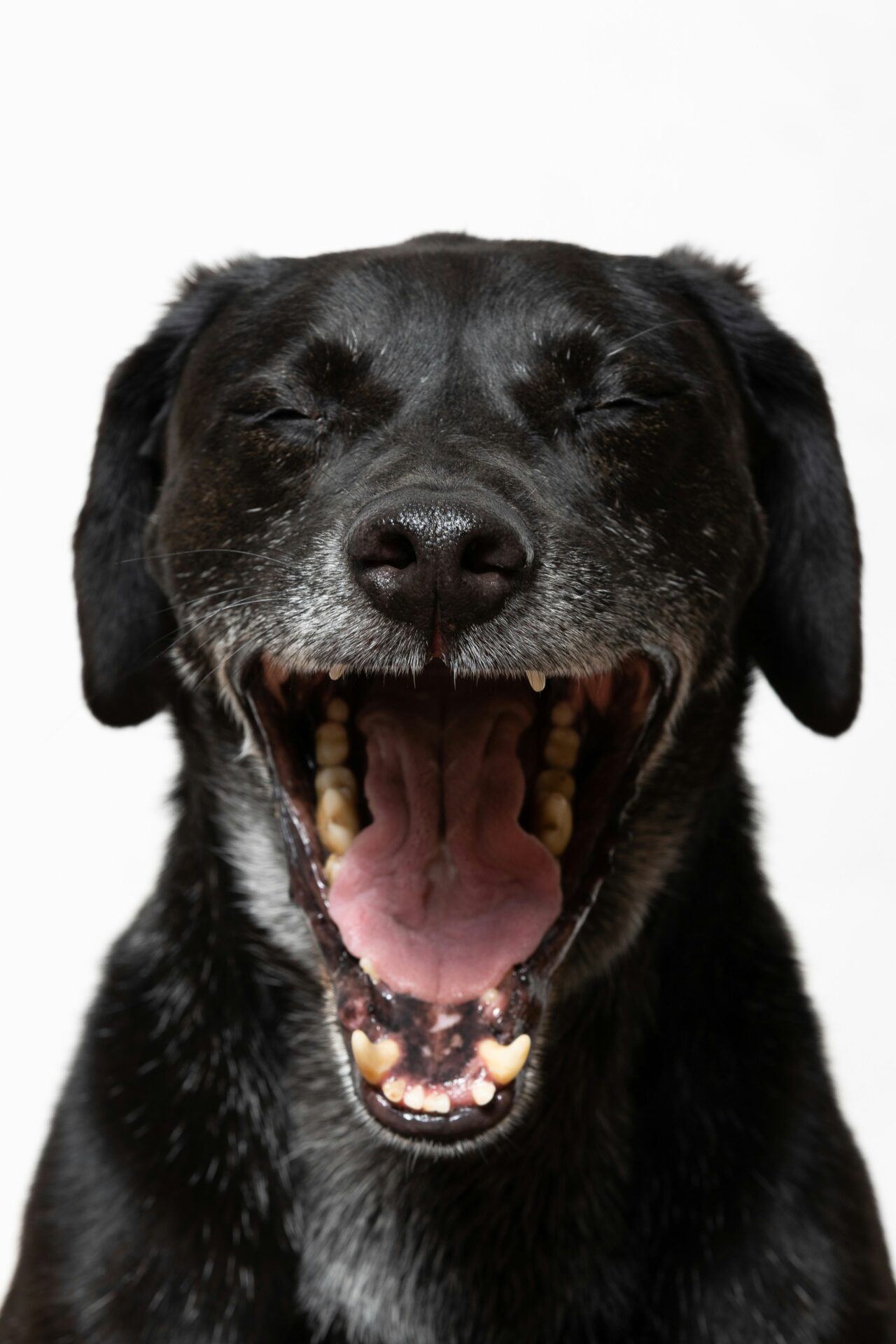
Bad breath in dogs (also known as halitosis) is usually a sign of an underlying issue. Common causes include:
- Poor dental hygiene leading to plaque, tartar, and gum disease
- Infections in the mouth or gums
- Medical conditions such as kidney disease or diabetes
Poor oral health isn’t just about smelly breath—it significantly impacts a dog’s welfare. Research shows smaller dog breeds, overweight pets, and cats are at higher risk of dental problems.
Shockingly, while most owners know they should brush their pet’s teeth, 1 in 4 admit they never do because they find it too difficult.
When Should I Start Brushing My Dog’s Teeth?
The earlier, the better. Puppies and kittens are the perfect age to introduce dental care—it helps them get used to the process, while you learn the technique.
Take it slow, use positive reinforcement, and make it a stress-free routine.
How Often Should I Brush My Dog’s Teeth?
- Gold standard: Daily brushing
- Good alternative: 3–4 times a week
The key is consistency. If your dog resists, stop, reassure them, and try again later. Forcing it will only make them anxious. Start gradually, reward calm behaviour, and keep it positive.
What Should I Brush My Dog’s Teeth With?
You’ll need:
- A pet toothbrush (or a rubber fingertip brush if your dog prefers it)
- Dog toothpaste (never use human toothpaste—fluoride can be toxic)
Dog toothpaste is designed for pets, often with enzymes to break down plaque and flavours like chicken or beef to make it more appealing.
If brushing isn’t possible, there are alternatives:
- Dental chews such as ostrich tendon chews (i feed these to my dogs) , logic chews and plaque off chews
- Water supplements such as Plaqtiv water additive and Arm and Hammer Dental Water additive
- Dental gels such as Dentihex
- Special toys that help reduce plaque such as the Kong dental toy
- Dental sprays and wipes such as the Plaqtiv dental wipes, Plaqtiv dental spray
- Plaque reducing powders such as Protexin Plaqease and Plaqueoff Powder
Do You Really Need to Brush a Dog’s Teeth?
Yes. Just like humans, dogs are prone to gum disease (gingivitis) and tooth decay. Left untreated, this leads to:
- Pain
- Infections
- Tooth loss
- Wider health problems
Prevention is far better (and cheaper) than cure.
Signs of Dental Disease in Dogs
Dogs rarely stop eating because of dental pain. In fact, I’ve treated dogs with severe dental disease where the owner was unaware because the dog was still eating normally.
Signs to look out for include:
- Bad breath
- Excessive drooling
- Blood-stained saliva
- Brown or yellow teeth
- Red or swollen gums
- Blood on chews or toys
- Loose or missing teeth
- Pawing or rubbing at the mouth
- Facial swelling
Make checking your dog’s mouth part of your daily routine. If in doubt, speak to your vet—many practices offer free dental clinics.
Final Thoughts
Brushing your dog’s teeth may feel like a chore, but it’s one of the best things you can do to keep them healthy, pain-free, and cuddle-ready (without the bad breath!).
Start early, be consistent, and remember—even a few times a week is better than none at all.