
Knowing how to manage arthritis in dogs helps you look after your four legged friend by knowing what treatments can aid pain relief.
Whilst arthritis is not a curable condition, there are different treatments and lifestyle changes you can make so that your canine friend is more comfortable. As a progressive condition, the aim of any pet parent, and vet, will be to manage the condition rather than cure it.
That said, by knowing the treatments available, and by using a combination of approaches, your dog can continue to do the things they enjoy without being in severe pain.
As a vet-owned and vet-run online dispensary, we understand how important your dog’s health and happiness are. Our founder is also a pet parent, so we know first-hand the difference good health can make to both your dog’s quality of life and your own. That’s why we’re putting together this complete guide, so you know more about arthritis in dogs, common signs to spot early on, and what you can do to help.
What Is Arthritis In Dogs?
Arthritis is the name given to a range of conditions that cause inflammation of the joints. Due to the inflammation the affected joints can become stiff and painful over time. This can lead to muscle wastage, or atrophy, due to less movement of the joints as the pet protects themselves against pain
Whilst arthritis is more common in older dogs due to continued wear and tear on their joints, it can affect younger dogs and is more prevalent in particular breeds which we’re exploring below.
Arthritis in dogs mostly affects their knees, hips, elbows, and spine so it can make usual activities more difficult (such as climbing stairs or jumping on / off a sofa). As arthritis is a progressive condition, early signs aren’t always immediately noticeable.
That’s why we’re listing what things to look for below, helping you spot these early.
What Are the Symptoms of Arthritis In Dogs?
Whilst every dog is unique, and you know your four-legged friend better than anyone else, knowing some of these common signs means you can make adjustments to their routine sooner rather than later.
Symptoms of arthritis in dogs include:
- Stiff joints
- Narrowing of the hips and back end
- Slowing down / stopping more on walks
- Dragging of toes, tripping, stumbling
- Limping/lameness
- Being quiet
- Sleeping more than usual
- Low energy (lethargy)
- Saliva stained fur around painful joints
- Struggling to jump or climb stairs
What Are the Causes of Arthritis In Dogs?
Osteoarthritis is the most common cause of arthritis in dogs. When the cartilage that usually protects and cushions the joint wears down, it means the bones can rub together and cause inflammation and stiffness. The cartilage is the protective layer so when this reduces, the joints lose their natural cushioning, causing increased friction between the bones.
Arthritis in dogs is usually part of the natural aging process as years of daily movement and wear place repeated stress on the joints.
That said, there are some other causes of arthritis in dogs:
- Certain dog breeds – Some breeds are more prone to arthritis due to inherited joint issues. These include Labrador Retrievers, Rottweilers, Springer Spaniels, Golden Retrievers, German Shepherds, and Bernese Mountain Dogs. These breeds often experience issues around their hips, elbows, or spine.
- Injury – Arthritis in dogs can develop after an injury, such as a fracture or ligament damage. This can happen years after the original trauma occurred so it can be easy to forget about this as a potential cause.
- Excess weight – Weight is a key factor in managing arthritis in dogs. Extra weight makes it more difficult for your canine friend to move around, putting extra strain on their joints.
- Genetics – Some dogs have traits that make their joints more prone to arthritis, for example, conditions like hip dysplasia and elbow dysplasia. These are often a result of genetics meaning their joints develop abnormally. This can lead to increased wear on the cartilage and can lead to arthritis developing earlier in life.
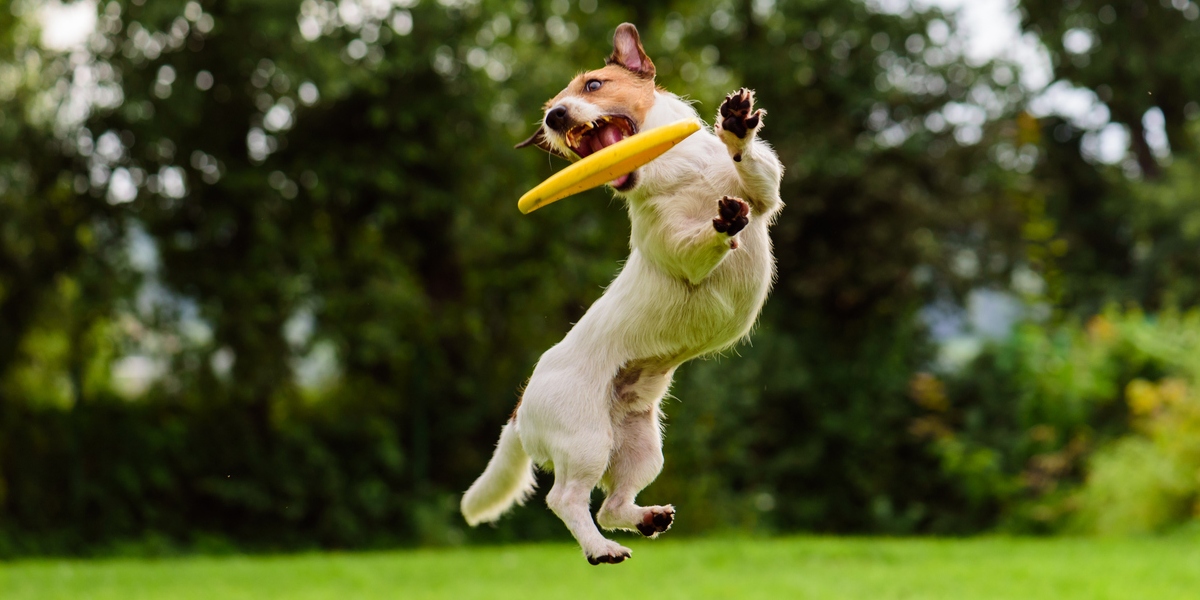
- Exercise history – High-impact activities or intense exercise such as chasing the ball or jumping can place additional stress on the joints, especially over a prolonged amount of time. Similarly, too little exercise can lead to weaker muscles which can reduce joint support.
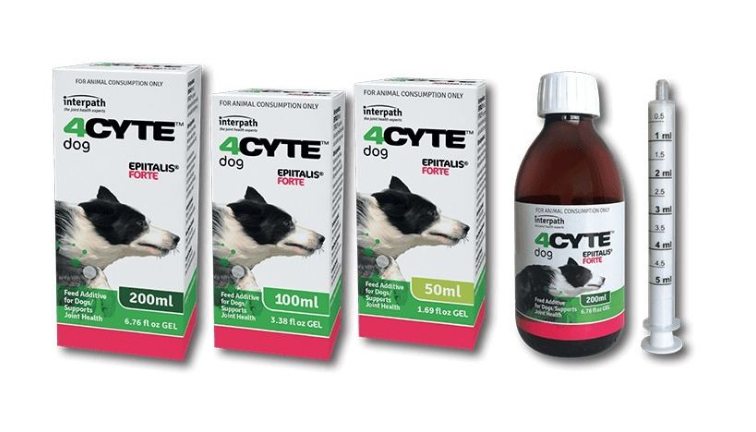
Vets recommend a range of vitamins and supplements that can aid with your dog’s joint pain which are available over-the-counter and from the Cura website.
Find Arthritis Supplements
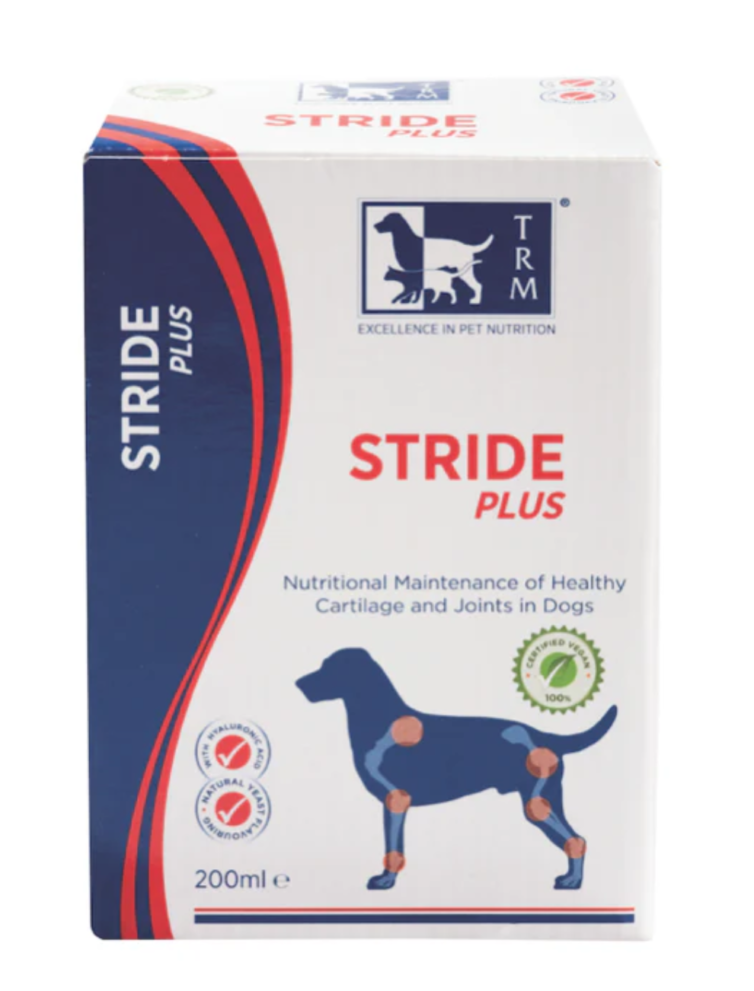
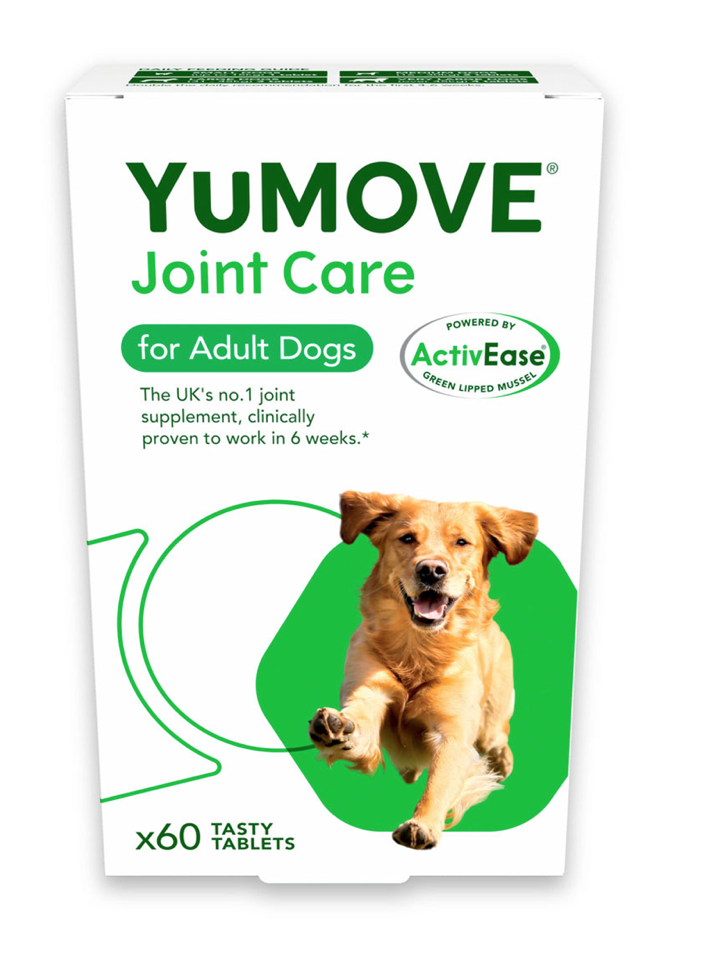
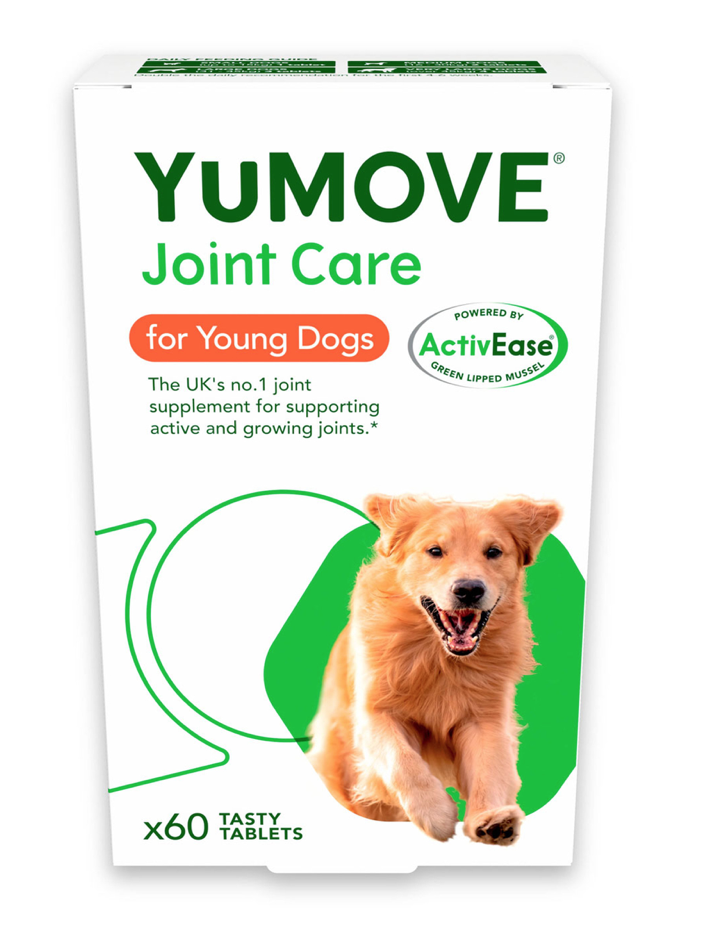


How To Manage Arthritis In Dogs
You’ll often find that a combination of treatments works best rather than a singular solution. This might be a combination of veterinary advice around supplements and vitamins, to making sure your dog has a comfortable bed to relax on.
We’re discussing each of these below.
Manage their weight
The more weight your dog has to carry around, the more difficult it is for them to move. They should be free to walk and run without feeling like they are dragging excess weight about. This can put excess stain on their joints, especially around areas such as their knees, hips, and elbows, making mobility more difficult.
Your dog doesn’t need to necessarily lose a lot of weight – even a small amount of weight loss can make a big difference to your dog’s comfort and mobility.
To learn more about the benefits of pet weight management we’ve got your complete guide. From giving them smaller potions, to making them work a little for their food, it doesn’t have to be a huge change to their routine.
Manage the intensity of their exercise
If exercise is too intense or high-impact, it can put excess pressure on joints that might already be sore. In arthritic dogs, it’s best to stick to lighter forms of exercise to avoid your dog overdoing it.
Also, your pet will not manage their pain in the way a human would, so even though they’re chasing their ball and are seemingly fine, it does not necessarily mean that’s what they should be doing!
Focus on exercise habits such as:
- Shorter, more frequent walks that are around 15 minutes long, 3-4 times a day
- If they are running, make sure it’s on grass rather than hard concrete
- Avoid them running up/ down steep stairs or jumping off things at a height
Make sure they’re comfortable
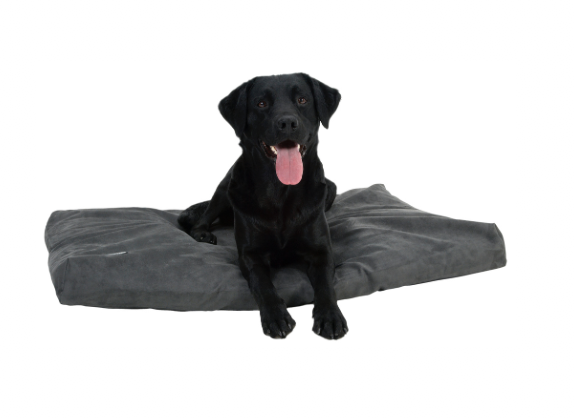
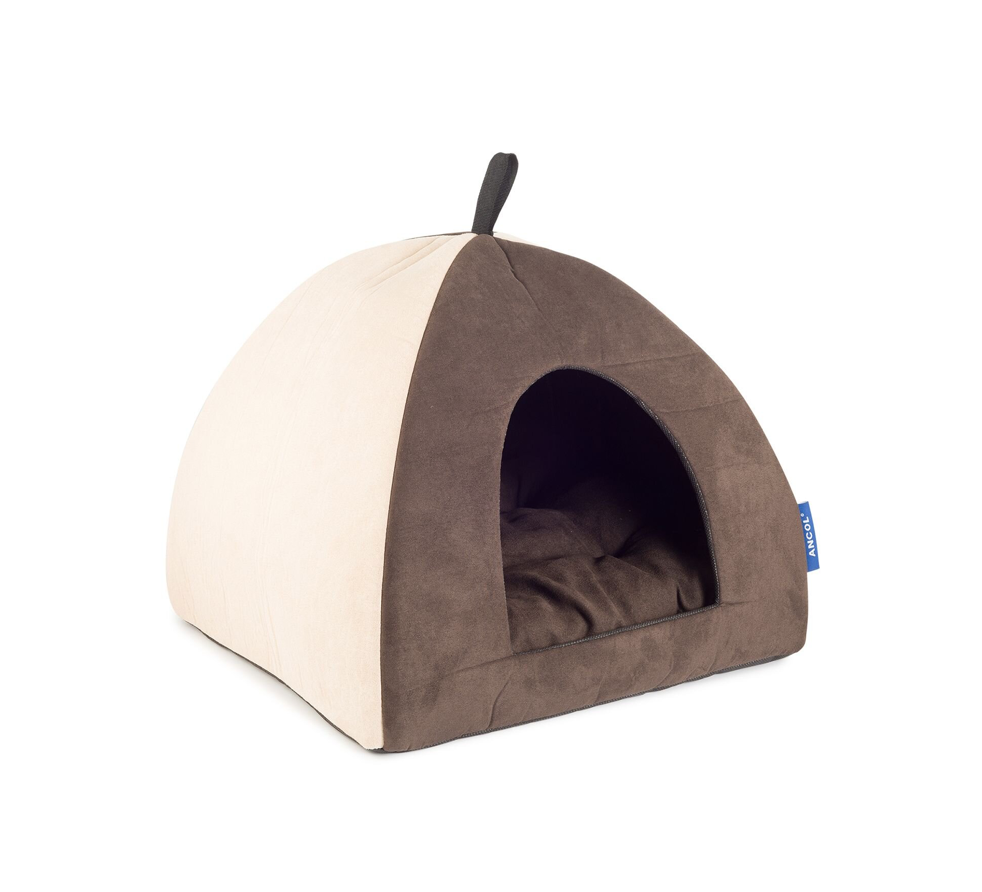
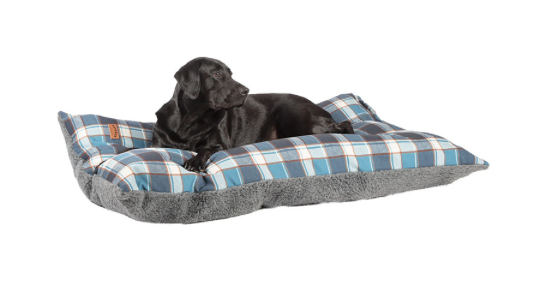
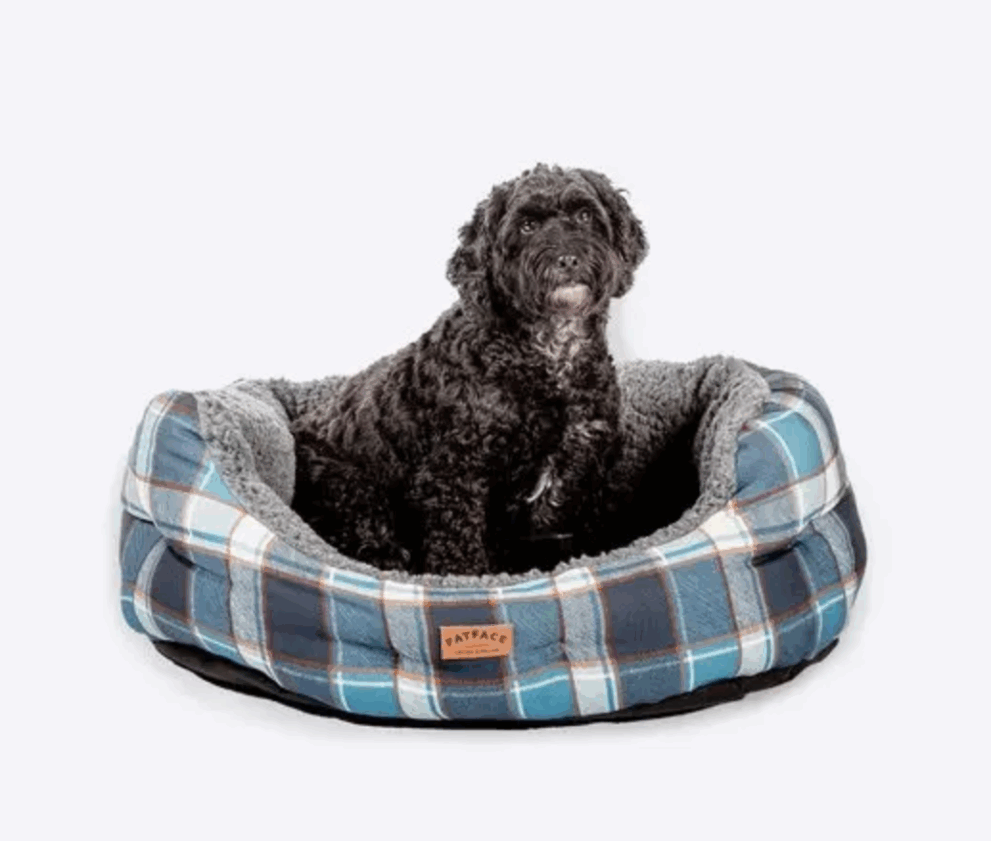
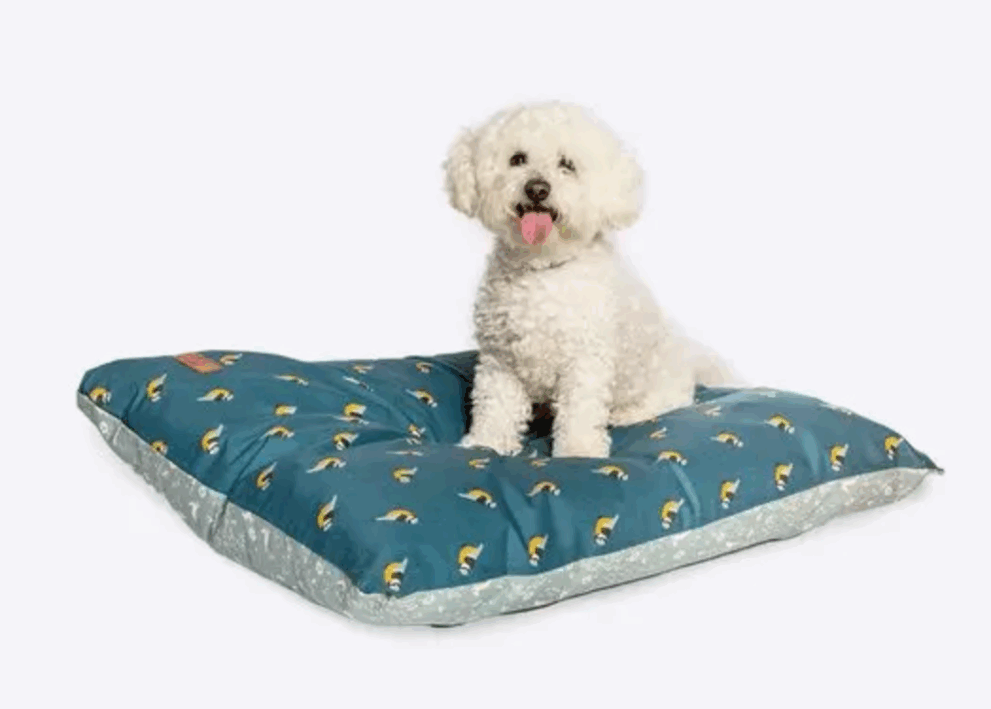
This might seem so simple, but a comfortable, supportive bed can make a big difference to the comfort of your dog. Also placing it in a warm area of your home is advisable as the cold and damp can worsen the symptoms of arthritis.
Rest is also key as they might be more lethargic if they have arthritis due to the increased stain on their joints, so making it easier for them to relax is a simple way of helping.
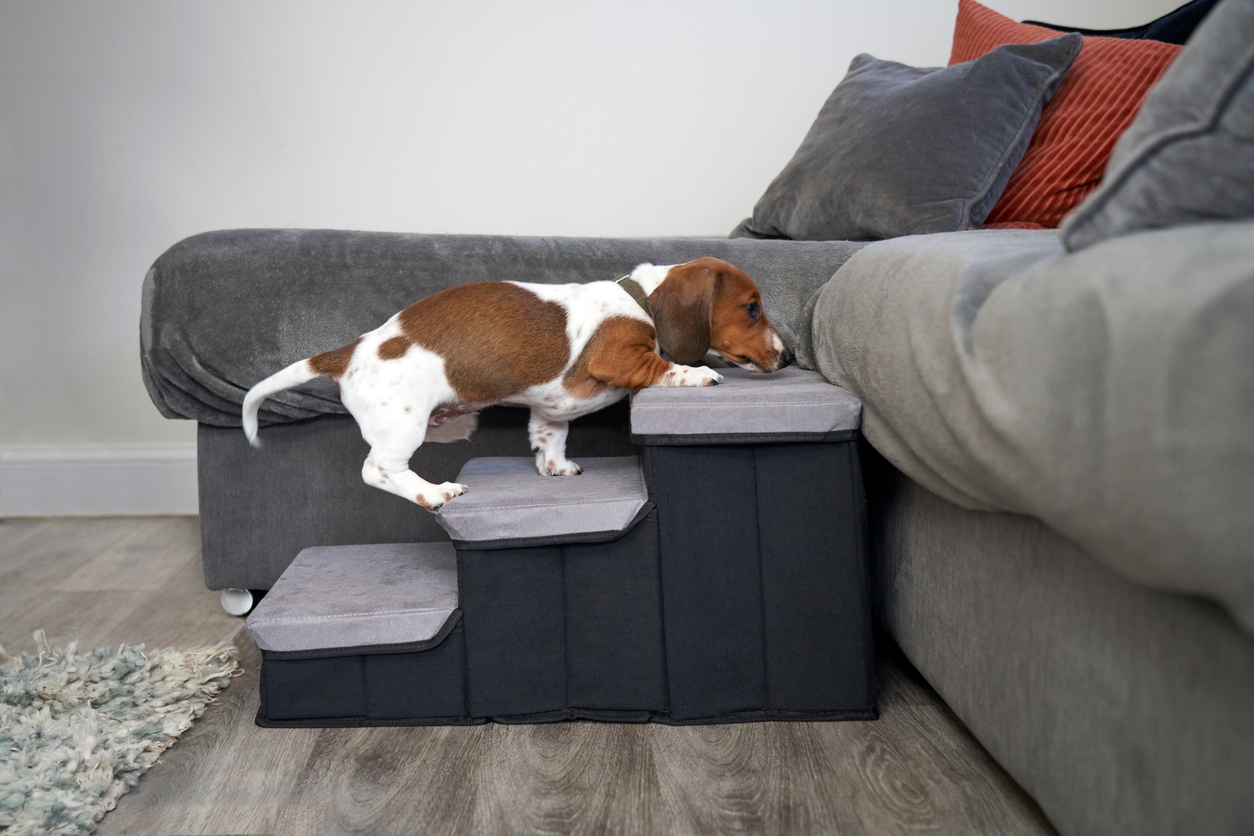
To make mobility easier, vets also suggest using a ramp to help your dog get on the sofa or into the car. Non-slip rugs or mats can also aid their grip on hard / tiled floors as they might be cautious about walking on these in case they slip.
Find dog beds
Seek medical treatment
There are some treatments that can help manage your dogs’ pain, reduce inflammation, and improve their quality of life, but make sure you consult your vet first.
At Cura, we usually recommend a combination of anti-inflammatory medication, joint supplements, physiotherapy, hydrotherapy, or other treatments. Early intervention can help keep your dog comfortable for longer so they can enjoy a good quality of life.
Complementary therapies
There are a range of complementary therapies which may help ease your dog’s arthritis by aiding joint movement.
The effectiveness of these therapies differs from one dog to another, but they can be beneficial when paired with other treatments:
- Acupuncture – Acupuncture for dogs can only be performed by a vet and involves placing very fine needles into specific points on the body. It is commonly used alongside other arthritis treatments to help manage pain. At Cura, our founder Nicola is a qualified vet who has also completed additional training in veterinary acupuncture.
- Laser therapy – Laser therapy is a non-invasive treatment that uses specific wavelengths of light to target the affected tissues. The treatment is painless, making it a useful complementary option when managing arthritis in dogs.
- Hydrotherapy – This involves exercising in water, usually in a specialist pool or underwater treadmill. Hydrotherapy is a low-impact form of exercise as the buoyancy of the water reduces pressure on painful joints while allowing dogs to build up the strength of their muscles.
- Physiotherapy – Focusing on targeted exercises to improve mobility and muscle strength, a canine physiotherapist can create a plan to help your dog’s specific needs.
- Massage – A specialist massage can help reduce any tension in your dogs muscles whilst also helping them to relax. Dogs with arthritis often develop so gentle massage can help ease some of this discomfort.
How to Manage Arthritis In Dogs to Keep Them Moving
Managing arthritis in dogs usually requires a combination of treatments to make sure your dog is healthy and comfortable. There is no one-size-fits-all as every dog is different; it all depends on their specific needs, age, and breed.
The advice in this blog can help relieve some of the discomfort associated with joint pain so that they can still enjoy their usual activities. However if you have any concerns or questions about your dog, always consult your vet.
At Cura, we’re a vet-owned and vet-run online dispensary. Our founder, Nicola, is both a veterinary professional and a pet parent, giving her a unique understanding of the challenges pet owners face. This means we know first-hand just how important it is to look after your dogs joints so that they can enjoy a healthier life for longer. If you have any further questions, do not hesitate to get in touch.