

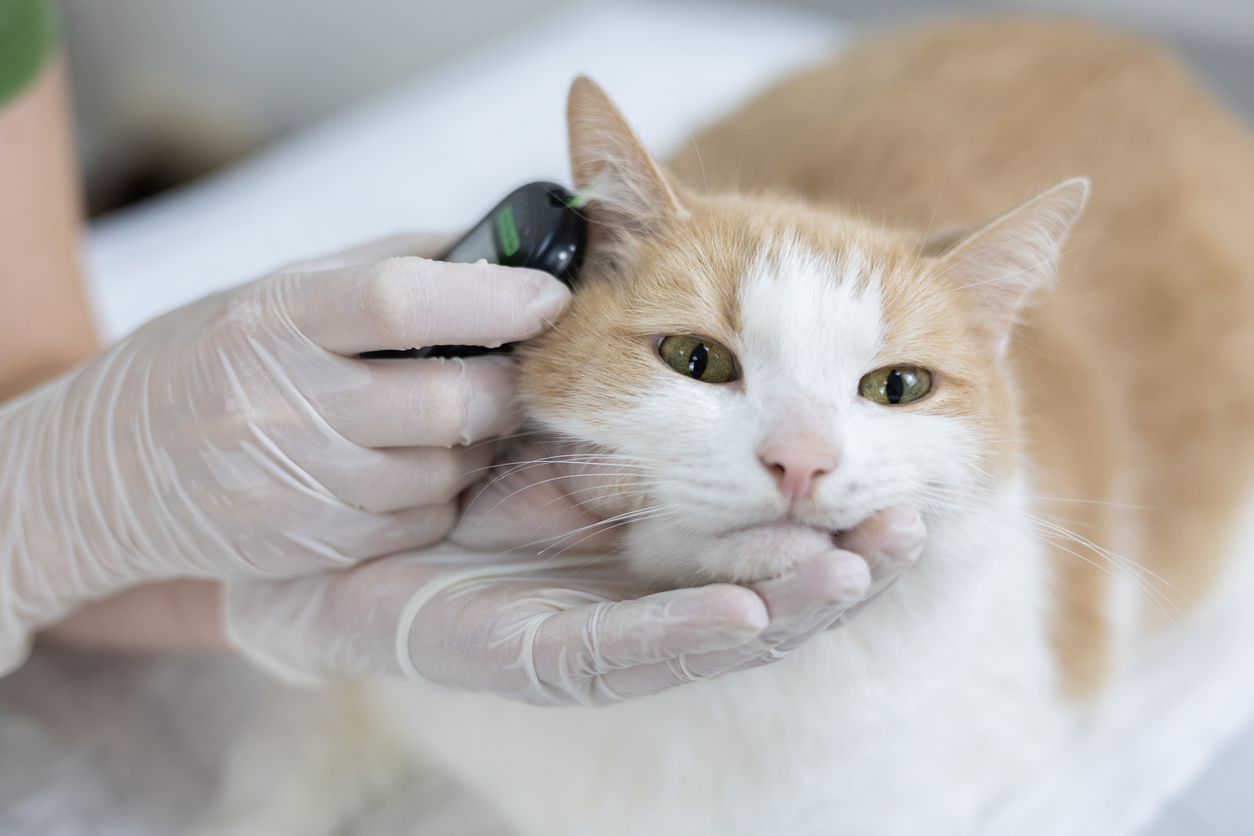
If you’re wondering whether your cat has diabetes symptoms, we’re here to explain everything you need to know about this common condition, backed by insights from a veterinarian.
Diabetes affects around 1 in 100 cats, although it is more common in cats that are overweight, so helping your pet maintain a healthy weight is key.
Feline diabetes is an endocrine disorder that develops when a cat either doesn’t produce enough insulin or can’t use the insulin their body produces effectively. Without enough insulin, blood sugar levels become difficult to regulate, which can lead to health problems if left untreated.
Recognising the symptoms of cat diabetes early helps pet parents seek treatment sooner and better manage the condition. The good news is that there are lots of treatment options available, and with the right support, many diabetic cats continue to live happy, healthy lives.
As always if you have any questions, seek advice from your vet. At Cura, we’re a vet owned and vet run online dispensary so any of the advice you receive through this blog and our website is genuine and from first hand experience.
First things first, what is cat diabetes?
What Is Cat Diabetes?
Cat diabetes is a condition that affects how your cat’s body regulates blood sugar (glucose) as this is an important source of energy. To use it properly, the body relies on a hormone called insulin, which is produced by the pancreas.
However when a cat has diabetes, their body either doesn’t produce enough insulin or can’t use the insulin it does produce effectively. This means glucose builds up in the bloodstream instead of being used for energy. If this continues over a period of time, high blood sugar levels can affect your cat’s health and lead to a range of symptoms if left untreated.
There are two main types of diabetes:
Type 1 diabetes – This occurs when the pancreas produces little or no insulin. This form of diabetes is less common in cats and usually means they will need lifelong insulin treatment.
Type 2 diabetes – This is the most common type of diabetes in cats. It develops when the body becomes resistant to insulin so it doesn’t respond to the hormone in the way it should. Over time, the pancreas may also struggle to produce enough insulin to meet the body’s needs. Type 2 diabetes is often linked to obesity which is why pet weight management is important.
If your feline friend does have diabetes, it’s reassuring to know that many cats respond well to treatment. Usually it’s a combination of the right diet, weight management, and regular check-ups at the vets.
What Are the Signs of Diabetes In Cats?
The symptoms of cat diabetes can be similar to the symptoms of other conditions and that’s why speaking to your vet, so they can examine your pet and understand their issues better, is always the best option.
That said, look for these common signs which can indicate feline diabetes could be present:
- Increased thirst – are they drinking more than usual or drinking from strange places i.e. outside of their bowl?
- Increased peeing – have you noticed that you need to clean their litter tray more?
- Tiredness/ lethargy – are they sleeping more or seem to have less energy to play?
- Weight loss – have they started to lose weight despite eating the same?
- Increased appetite – do they have an increased appetite despite not putting weight on?
- More prone to infections (such as UTIs) – are you needing to treat them more frequently for UTIs?
- Vomiting – are they being sick but you’re unsure of the cause?
- Sunken back legs (more common in older cats) – does your cat seem weak or less stable on their back legs?
Older cats (those over the age of 7) and cats that are overweight are more likely to develop the condition. However it can affect any cat so it’s important to be aware of the tell-tale signs so you can start treating your cat sooner.
How Is Cat Diabetes Diagnosed?
If you suspect your cat has diabetes, take them to your vet. They will examine your cat and ask questions about the signs / changes you’ve noticed in your cat’s behaviour. As the symptoms of cat diabetes are similar to other conditions (such as kidney disease, UTIs or hyperthyroidism) they will need to carry out more thorough checks.
They’ll usually take a blood sample and a urine sample to check the level of glucose in their blood, as high blood sugar can be a strong indication. However as your cat can be stressed at the vets, this can also lead to high blood sugar. In this scenario your vet might recommend bringing your cat in for a second appointment after they have fasted for 8 hours.
Your vet might also recommend monitoring your cat’s weight to see if they continue to lose weight despite having a normal or increased appetite – another sign of diabetes.
Speak to A Vet
Get professional advice from a vet about any of your pet concerns.
How Is Cat Diabetes Treated?
There are several ways to treat diabetes in cats, including weight management, insulin injections, and oral medication such as Senvelgo. When it comes to managing your pet’s weight, this is largely influenced by their diet, as they need to be eating the right foods to help regulate their blood sugar levels.
Insulin injections have traditionally been one of the main treatments for diabetic cats, helping to control blood glucose levels. However, some cats may be suitable for oral medication such as Senvelgo, which helps reduce blood sugar levels and can allow many cats to successfully manage their diabetes without insulin injections.
Weight management
Cats that are obese are more likely to develop diabetes, so managing your cat’s weight is an important part of treatment. What they eat affects their blood sugar levels, so it’s important to choose a diet that helps keep those levels as stable as possible.
Low-carbohydrate, high-protein food is often best as it closely matches their natural diet. This type of food can help reduce spikes in blood sugar after meals and make it easier for insulin to work effectively. Feeding little and often can also be helpful, as this supports their usual eating tendencies.
Specially formulated diabetic diets can provide additional support. For example, Calibra Diabetic Diet is designed specifically for cats with diabetes and features a high-protein chicken and egg recipe, low carbohydrates, and increased fibre content, helping to support healthy blood glucose levels.

Insulin injections
Insulin injections are one important way of managing the level of glucose in your cat’s blood stream ensuring it stays at a healthy level. Most diabetic cats need an injection once or twice a day and the duration of this depends on how early they were diagnosed.
If you start treating your cat early enough they can go into remission which means they start producing their own insulin again and are able to control their blood sugars without the need for injections. It’s important to know that not all cats can achieve remission, however spotting cat diabetes symptoms early gives them the best chance.
When administering insulin to your cat, follow these steps:
- Be consistent. Make sure to inject your cat at the same time every day, although a 2 hour window either side of your usual slot is fine. For example, if you usually give them insulin at 7am and 7pm, any time between 5am and 9am on a morning is fine, and any time between 5pm and 9pm on an evening.
- If you miss a dose or give your cat too much or too little insulin, contact your vet who will be able to advise on what to do next.
- If your cat seems out of sorts, for example if they’re vomiting or off they’re food, speak to your vet who will be able to help.
It’s important your cat is receiving the right amount of insulin as too little can mean their blood sugar remains too high, whilst too much can lead to low blood sugar (hypoglycaemia). As always, speak to your vet if you have any concerns as they will carefully work out how much insulin your cat needs and they will show you how to inject it.
Why Is Managing Cat Diabetes Important?
If you don’t manage your cat’s diabetes and their blood sugar levels remain too high, it can lead to diabetic ketoacidosis (DKA). This is a serious condition that occurs when the body can’t use glucose for energy and starts breaking down fat instead. This produces substances called ketones, which build up in the bloodstream and make it dangerously acidic.
If your cat develops DKA, they can become very ill and will need to be admitted to a veterinary hospital. Here they will receive fluids, insulin, and other medications to help stabilise their blood sugar levels and correct dehydration before they are well enough to come home.
Diabetic ketoacidosis is a serious condition that can take several days to recover from. It can also be fatal if left untreated.
Cat Diabetes FAQs
Whilst cats can go into remission and start producing their own insulin again if they’re treated early enough, cats who have had diabetes before, will likely develop the condition again in the future. This means your vet will need to keep monitoring them (through blood and urine samples) and you should continue monitoring them at home.
There are some things you can do to help prevent feline diabetes although none of these measures are a guarantee. Managing your pets weight, feeling them the right food, and helping them to stay active are all things you can do to help.
Cat Diabetes Symptoms Explained – With Prevention & Treatment
By spotting the symptoms of cat diabetes, you can start treating your cat sooner. Early diagnosis and treatment can increase the chances of your cat going into remission and no longer needing insulin treatment. For cats that do require insulin, it’s important to use the correct insulin syringes for the specific type of insulin prescribed, such as Prozinc, to ensure you’re administering the right dose to manage their diabetes effectively.
That said, most cats respond well to treatment so don’t panic if your cat does not go into remission – it’s about identifying the signs, seeking help from your vet, and making sure your feline friend can lead a healthy and happy life.
If you have any concerns about your cat, always speak to your vet. They can examine your cat and ask questions about their behaviour and symptoms. At Cura, we’re a vet owned and vet run online dispensary so all of our guidance is backed by genuine expertise and veterinary insights. To find out more about how we can help, get in touch.
Speak to A Vet
Get professional advice from a vet about any of your pet concerns.