Sweet itch in horses is incredibly uncomfortable, causing your horse to feel irritable and distressed, particularly during fly season.
As a condition which is currently not curable, knowing how to spot sweet itch symptoms early, and knowing which treatments can aid relief, is key to having a healthy and happy horse.
As the warmer months approach, your horse will naturally be spending more time outdoors, grazing in the field and enjoying longer periods of time in the open air. As such, this makes them more vulnerable to flies and midges, leading to possible sweet itch symptoms.
At Cura, we’re a vet owned and vet run online dispensary and we treat every animal as if it were our own. We know how uncomfortable this condition can be for your horse which is why we offer several sweet itch treatments to help you prevent and manage symptoms.
Our founder, Nicola, has loved animals from an early age. She graduated from Glasgow Vet School in 2002 with commendation and has been working in practice ever since. She established her own equine veterinary practice, Durham Equine Practice, in 2010 with great success. Animal welfare is a passion of hers, and she was previously Chairman of the local equine charity Here4Horses, where she also provided all of their veterinary work.
Let’s start by exploring more about sweet itch.
What Is Sweet Itch?
Sweet itch is an allergic reaction in horses caused by bites from flies, midges, and other blood-sucking insects. It occurs if the horse is allergic to the protein in the saliva of the fly (or other type of insect), creating an irritable skin condition on their mane and tail. It affects these areas most as that’s where flies and midges tend to hover.
It can affect any horse or pony regardless of their age or breed. That said, it is most common in breeds such as Belgian warmblood and Icelandic horses.There is some belief that there is a genetic component to the condition meaning some bloodlines are more susceptible.
According to Horse Welfare, sweet itch is the most common allergic skin disease in the UK and affects around 5% of our horse population.
What Are the Symptoms of Sweet Itch?
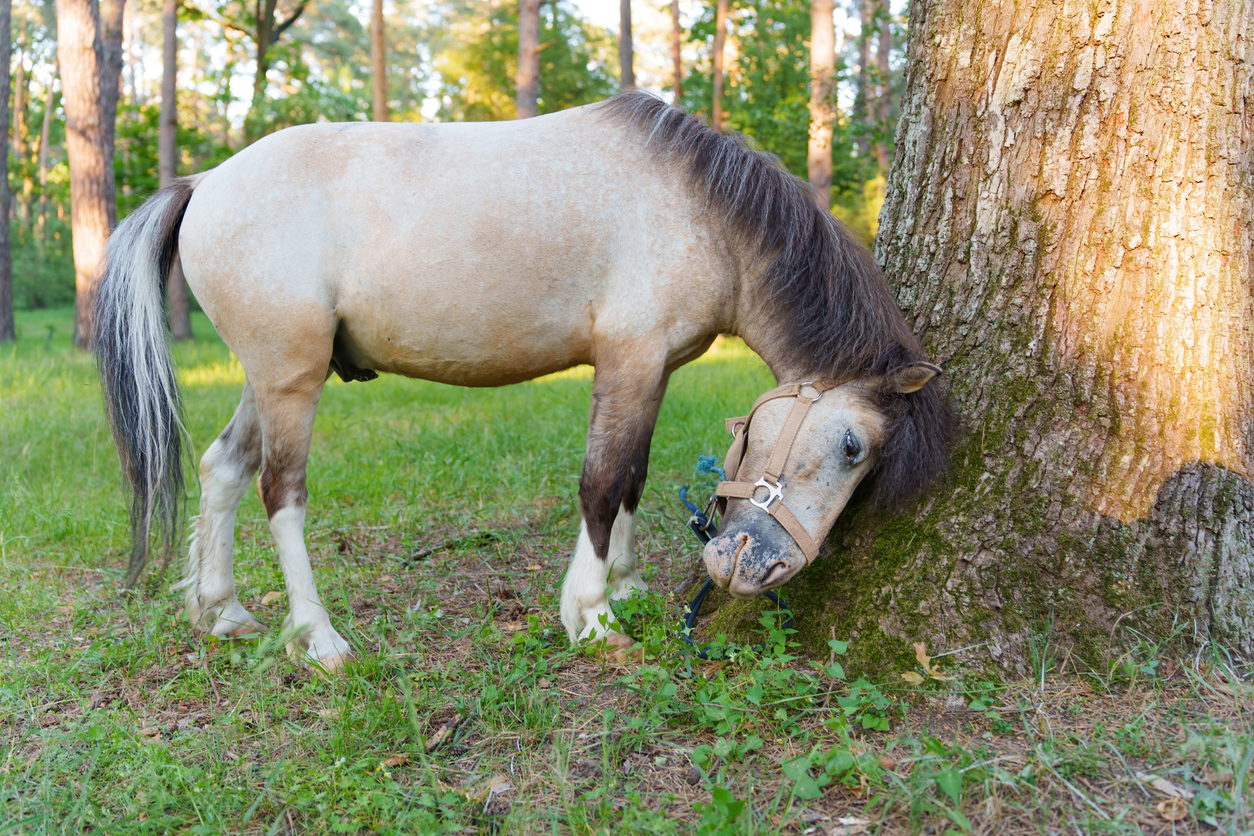
The term ‘switch itch’ is used to describe the sensation a horse feels from the condition as it’s an intense, persistent itching.The severity of the condition varies depending on the horse, but it can be extremely irritating and lead to a lot of scratching on trees and fences.
Below are sweet itch symptoms:
- Patchy hair loss – This occurs in areas where the horse has been bitten and is the most obvious sweet itch symptom. It usually happens on the mane and tail but can affect other areas. In severe cases, the condition can lead to skin thickening and folds developing as the hair becomes more sparse.
- Flaky dandruff – This leads on from the point above as patchy hair loss can leave dry patches which can lead to dandruff developing.
- Excessive itching – This condition is highly irritating for your horse, most commonly affecting the mane and tail, although it can occur across the whole body. Horses will often try to scratch on any nearby surface, which can worsen sweet itch through repeated rubbing and rolling as the skin becomes inflamed and sore.
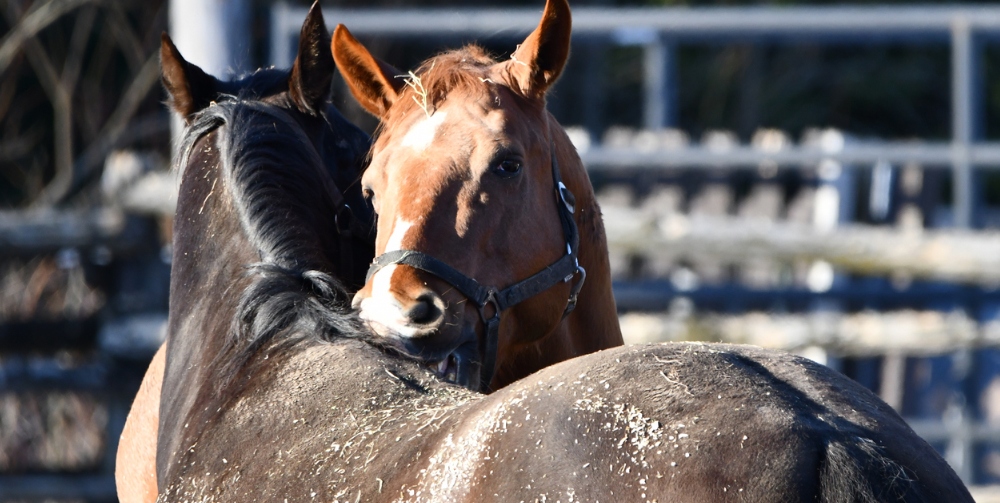
- Excessive grooming – Your horse might groom itself excessively to try and soothe its skin. When sweet itch occurs, their skin becomes very irritated, so this repetitive grooming is an attempt to relieve discomfort.
- Vigorous tail swishing – To try and fend off biting flies and relieve irritation, your horse may swish its tail constantly. This movement is a sign of discomfort and can sometimes lead to soreness or hair loss at the dock.
- Head shaking – In an attempt to get rid of the flies, a horse will usually shake its head and may rub its face against objects (trees, water containers) or the ground appearing restless and irritated.
Other symptoms relate to the behaviour of the horse, as they might be:
- Lethargic – Your horse might seem unusually tired or slow, showing less interest in movement or play than usual. If this is out of character, it could be a sign of discomfort.
- Restless – If your horse is constantly pacing or fidgeting it might be due to them trying to relieve irritation or avoid flies.
- Impatient – Horses can become easily frustrated when they’re irritated, often snorting or nudging for your attention when they feel uncomfortable.
- Agitated – Recurrent head tossing or sudden movements often show heightened irritation or levels of stress.
- Lack of engagement – If your horse is less willing to interact with humans or other horses it could indicate ongoing discomfort.
How to Manage and Prevent Sweet Itch?
Currently sweet itch in horses is not curable and those affected by it will see a recurrence every year once the season hits. This usually runs from March to November, so prevention rather than treatment is the best solution.
During these months, midges and flies become more active and start biting which is made worse by your horse spending more time outdoors. As you can’t cure the condition, and in many cases it is genetic, knowing how to manage it is key for the comfort of your horse. This primarily relies on minimising the horse’s exposure to biting insects, especially midges.
Reduce exposure
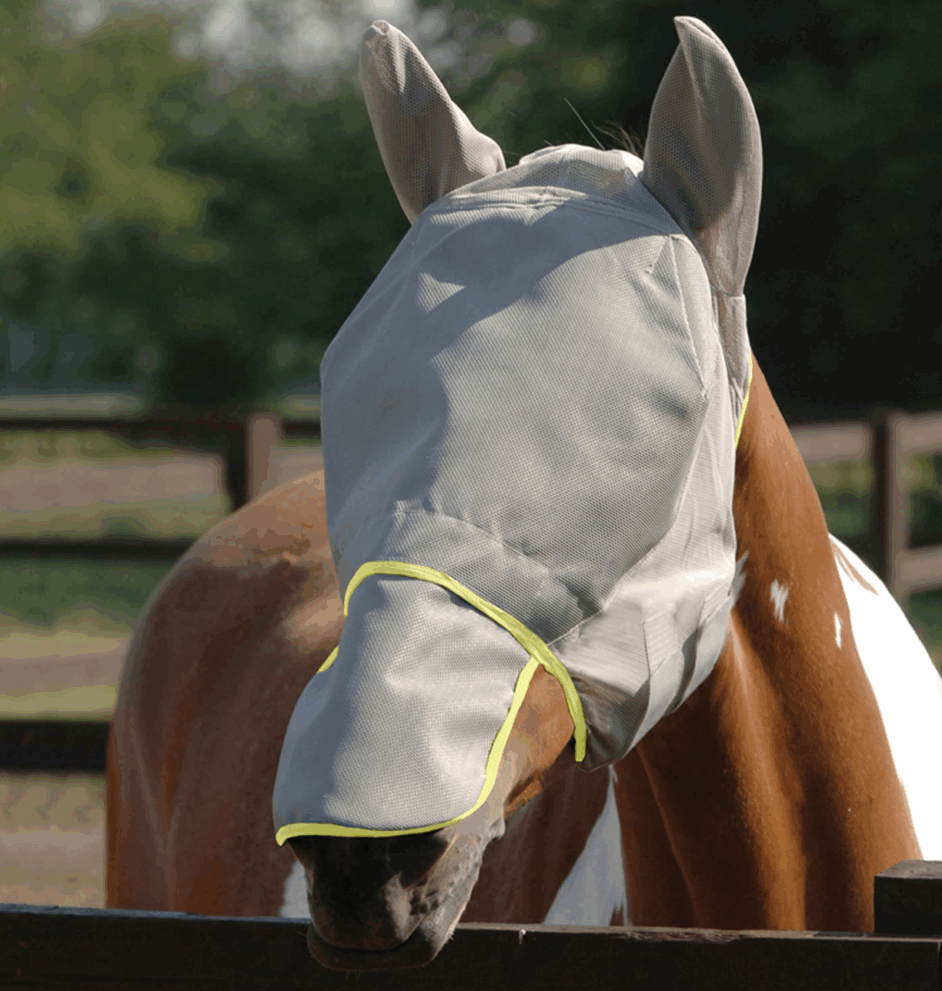
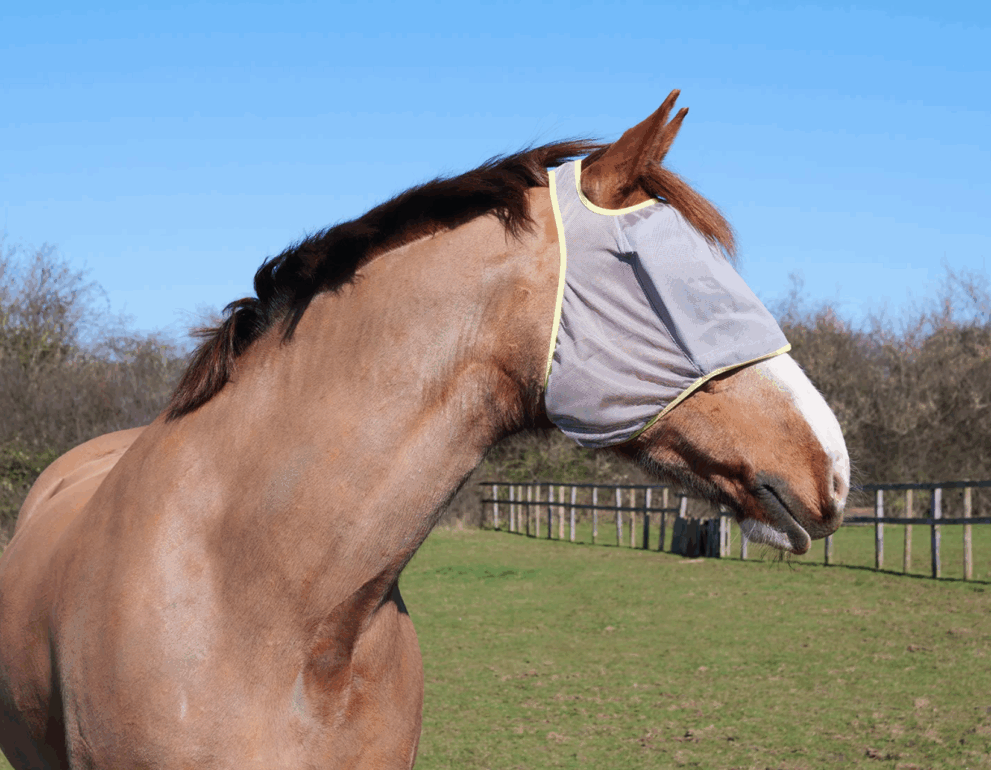
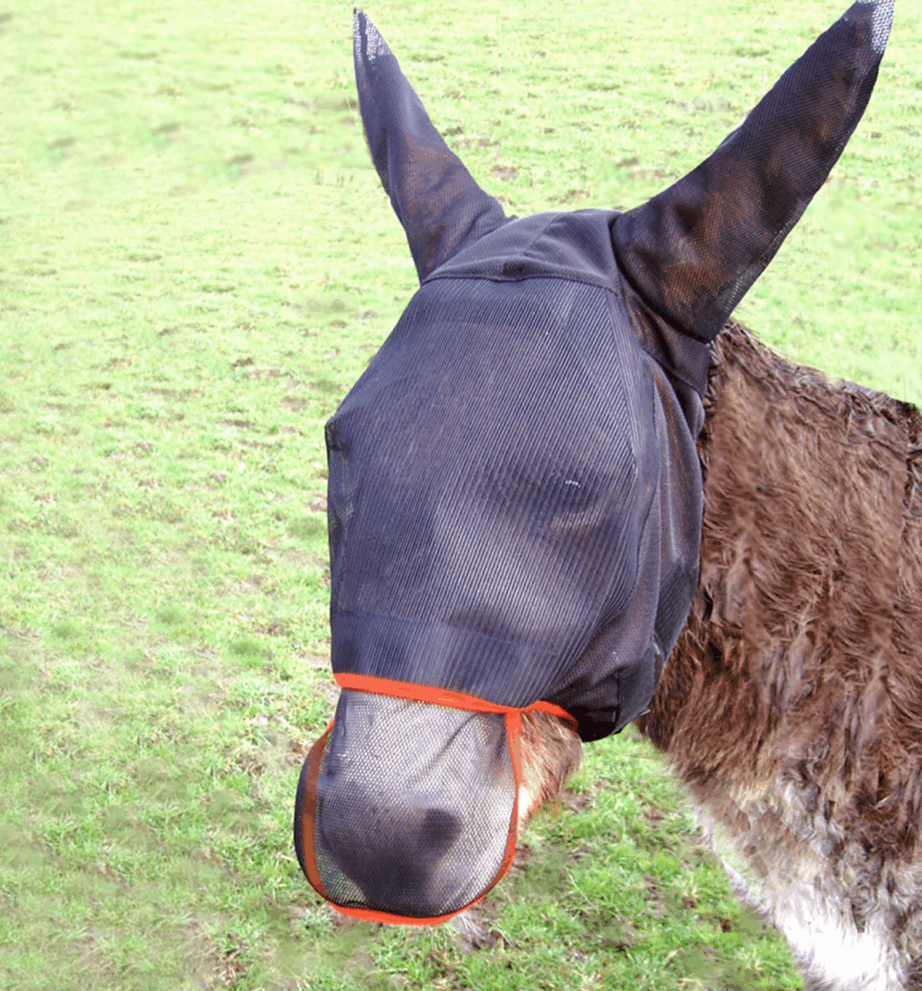
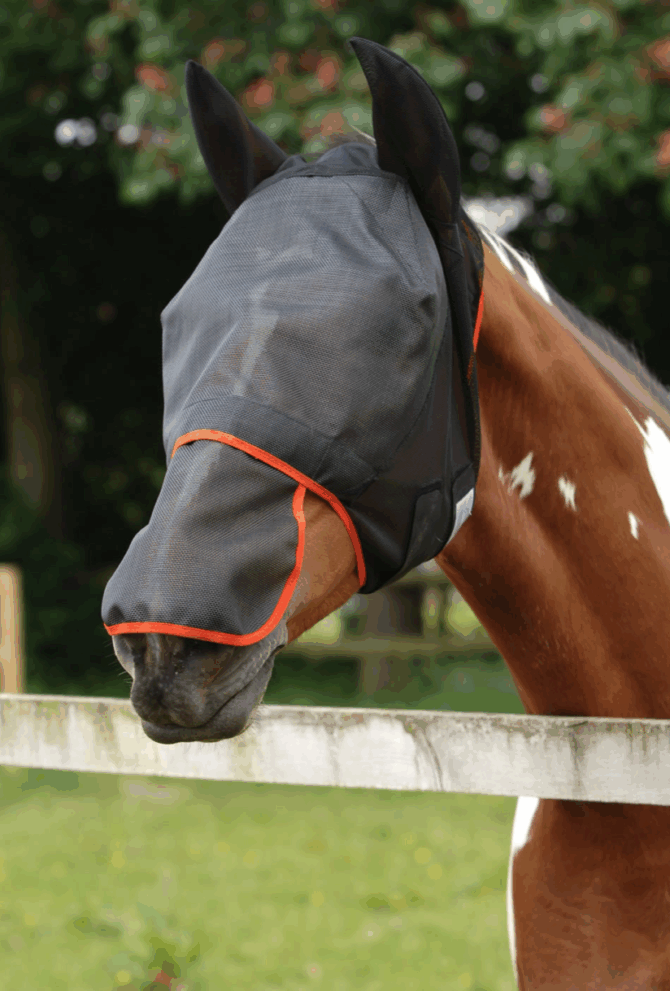
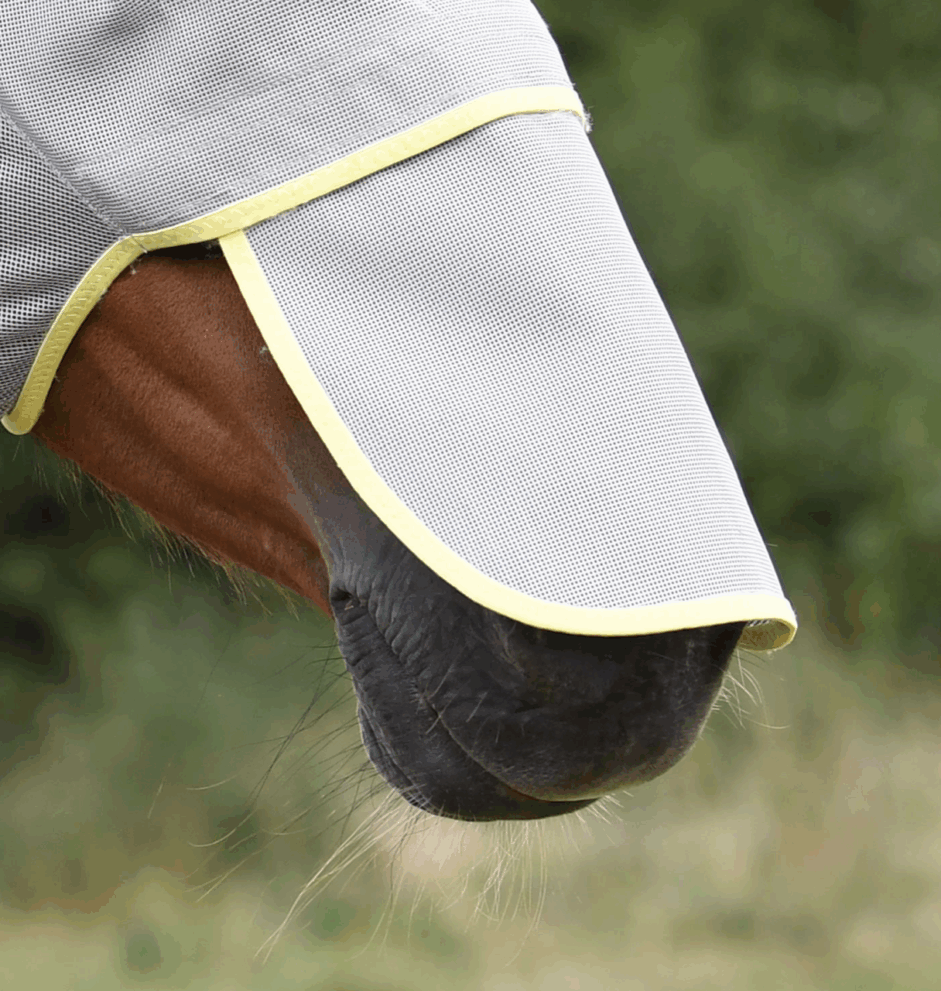
It’s important to reduce your horse’s exposure to biting insects by providing them with a cover – primarily in the areas where they’re usually bitten. One effective way of managing this is through a fly mask. These masks work by creating a physical barrier over the horse’s face and eyes, preventing flies from landing and biting while still allowing them to see. It’s important to make sure they are comfortable and adjustable for your horse as they will be wearing them for long periods of time.
At Cura, we provide a range of horse fly masks to protect them during fly season.
Explore Horse Fly Masks
Regular Grooming
Regular grooming is key for managing sweet itch, as it keeps your horse’s coat clean and healthy. Things like dirt and sweat can also irritate sensitive skin, adding to their physical discomfort. Grooming also gives you a chance to spot any early signs of irritation or bites.
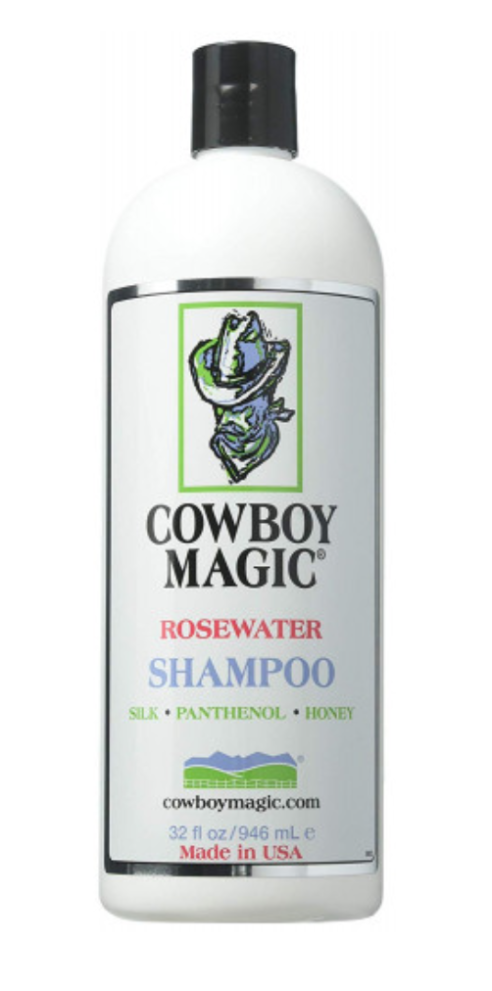
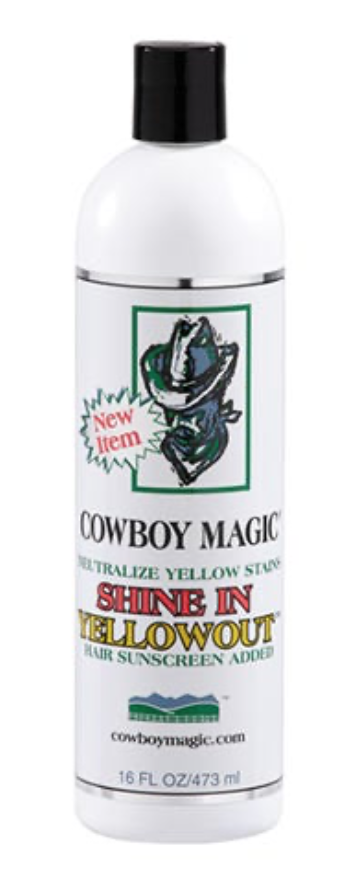
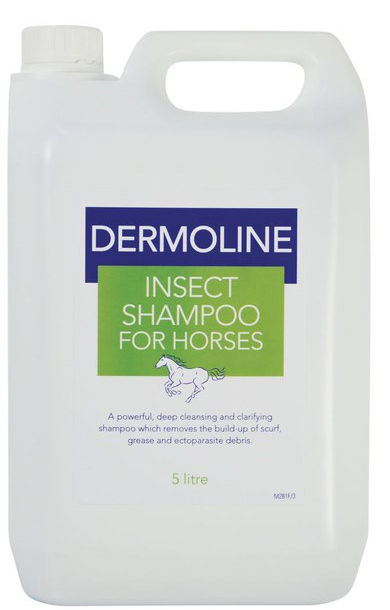
Using the right products can make a big difference. For example, a gentle shampoo that helps repel insects while cleansing the coat can support protection during fly season. For horses with sensitive or irritated skin, a calming, moisturising shampoo or one designed to soothe and relieve discomfort can help reduce itching.
Explore Horse Shampoos
Stable your horse overnight
Keeping your horse in a stable overnight (when flies are most active) will help protect them from being bitten. Whilst stabling won’t eliminate flies altogether, it can significantly reduce exposure, especially during peak activity (dusk to dawn).
Ensuring the stable is clean and well-ventilated can further minimise the presence of insects, helping your horse feel comfortable during fly season.
Keeping the stable and fields clean
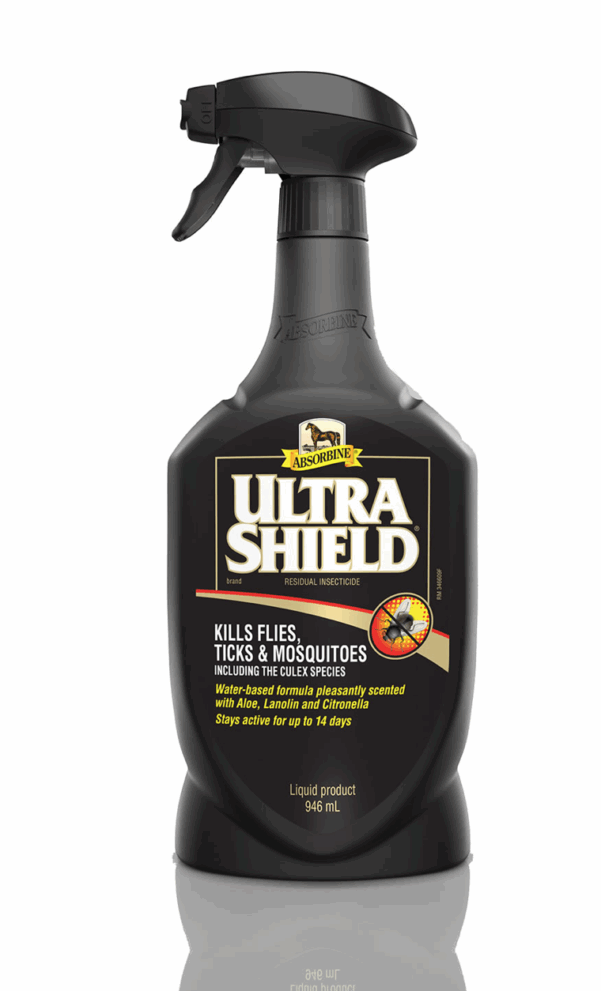
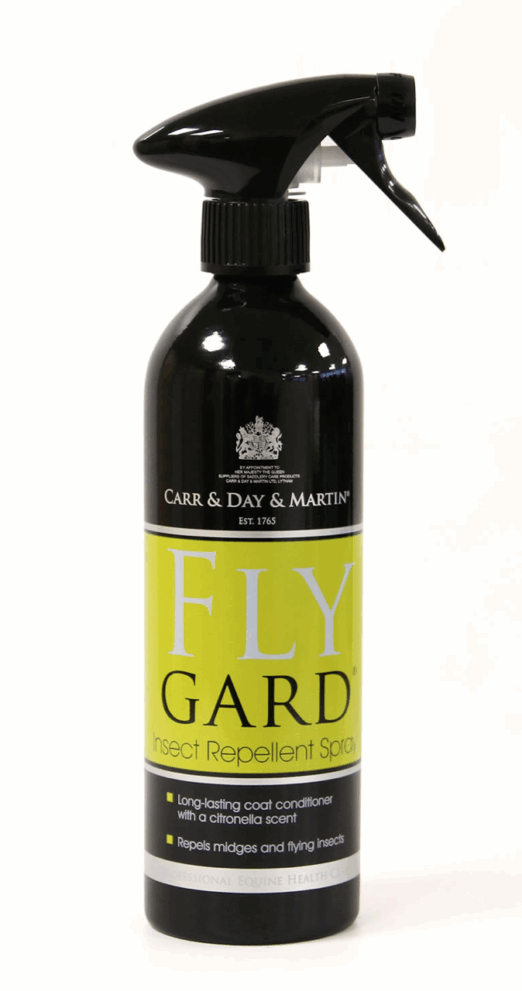
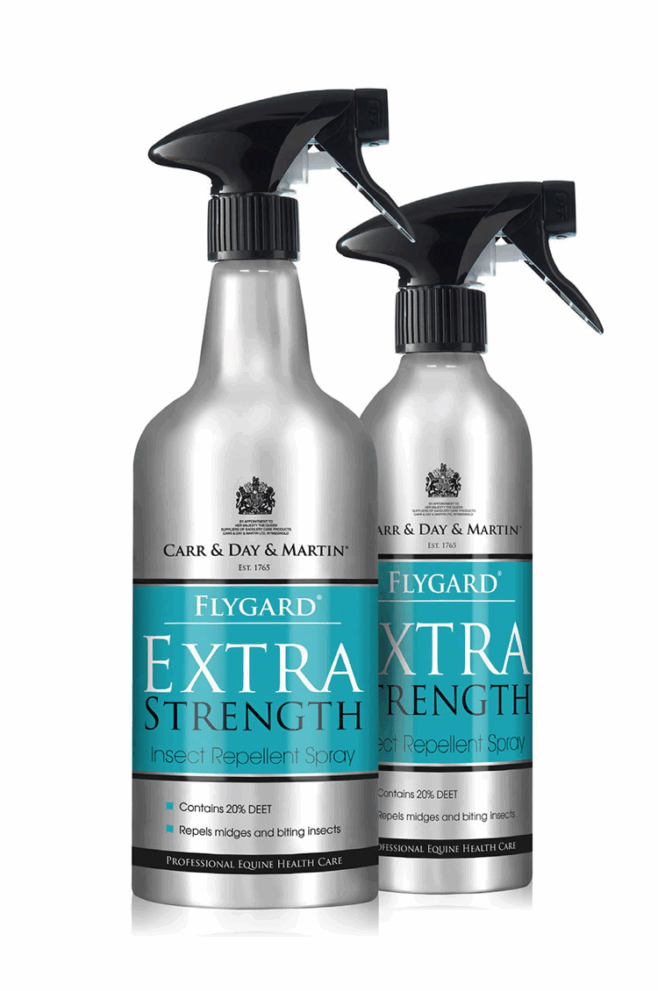
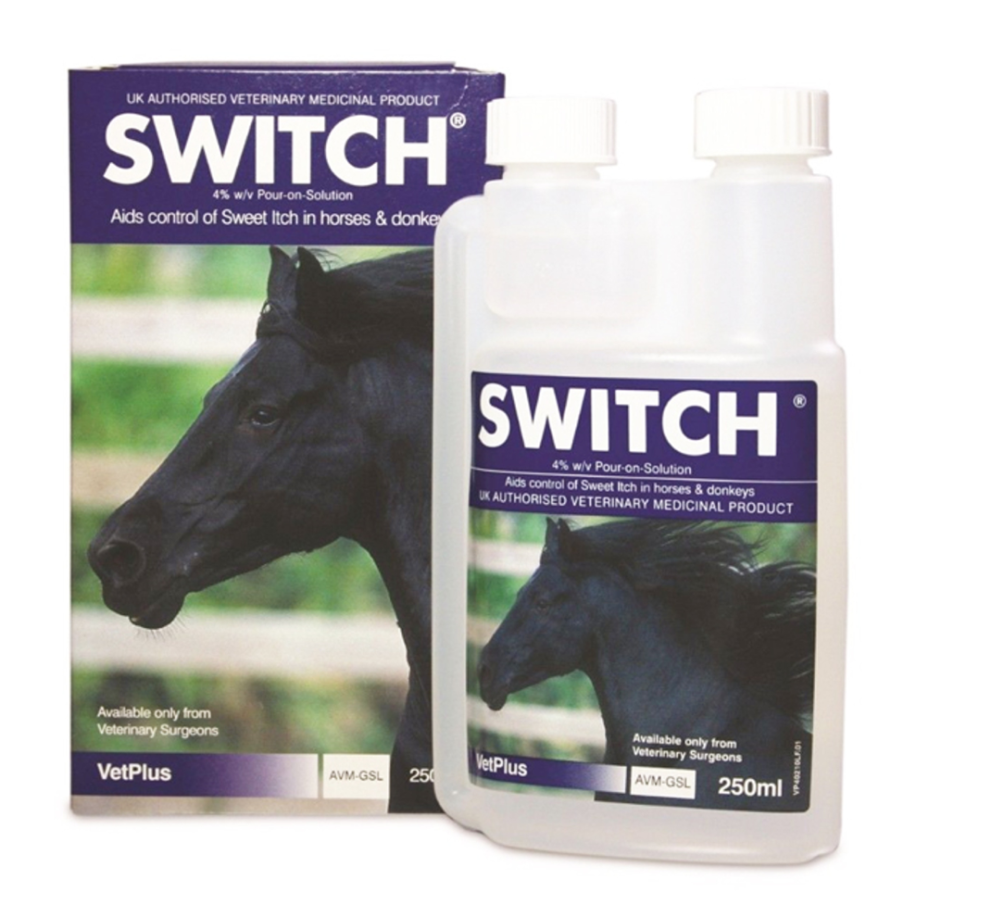
Maintaining a clean stable can help reduce the number of biting insects near your horse, as they’re attracted to dirt and standing water. Regular poo picking and cleaning of water troughs is key and a good habit to get into. Using fly sprays or repellents can provide further protection, particularly during peak fly activity or when turnout can’t be avoided. There are also topical treatments, such as Switch, that can be used to help.
These products work by creating a protective layer that deters insects and makes your horse less attractive to bites, offering all-round protection. In more severe cases, veterinary treatments may be recommended, although success can vary. These can include options such as vaccines and anti-inflammatory medications to help manage the condition.
Explore Horse Fly Sprays

Products to Treat Sweet Itch In Horses
There are various products to manage sweet itch in horses including fly sprays and repellents to repel biting insects, fly horse masks to protect sensitive areas such as the face and ears, and horse shampoos and coat protection products to soothe the skin and support the skin’s natural barrier.
The most important thing is to take a proactive and consistent approach to preventing and managing the condition.
Sweet Itch in Horses: Causes, Symptoms, and Best Fly Protection Products
Sweet itch in horses can be prevented and managed more effectively by following the steps outlined in this guide.
From using fly sprays to keep biting insects at bay, to limiting your horses exposure during peak hours, there are some simple ways to ensure your horse is more protected this summer.
You want your horse to be able to enjoy the warmer months spent grazing outdoors without feeling irritated, so taking these steps early is key. At Cura, we’re committed to providing products that help your horse feel protected and itch-free throughout the season so both you and your horse can enjoy the warmer days!