
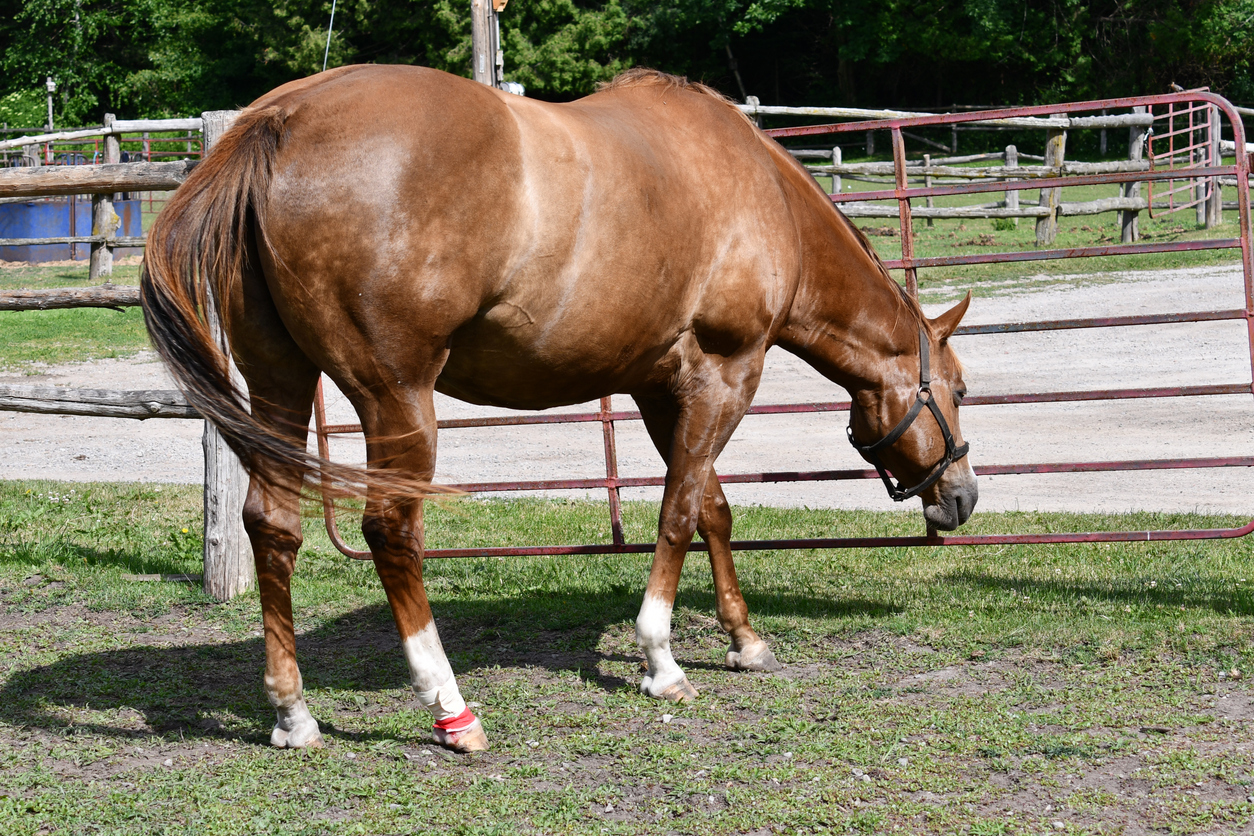
Knowing how to prevent mud fever in horses is the best cure for this skin condition. Also known as pastern dermatitis, this is a common non-contagious condition that usually affects the lower legs of horses.
It happens when there’s a break in the skin that allows bacteria to enter, leading to a range of skin-related issues and discomfort. As the name suggests, it occurs when horses are standing outside in wet, muddy conditions which is why it’s typically more prominent during the colder months.
By checking your horse’s legs daily, and catching any signs early, you can make sure your horse receives the right care and treatment. Like anything, prevention is better than cure so knowing what to avoid can help keep your horse healthy and happy all year through.
We’ll be discussing preventative measures as well as:
- The causes of mud fever
- The symptoms of mud fever
- Mud fever treatments
- Risk factors
As a horse owner, this allows you to put steps in place to make sure they can be turned out during winter without worrying about them becoming unwell. At Cura, we’re a vet-owned and vet-run online dispensary so animal welfare is at the core of our ethos. Our founder established Durham Equine Practice in 2010 with great success. She has also been involved in equine welfare throughout her career and worked extensively with equine charities.
What Is Mud Fever?
Mud fever, also known as equine pastern dermatitis, greasy heel or cracked heel, is a skin condition that affects horses’ lower legs, particularly around the pasterns and heels.
Several factors can contribute to mud fever, including a bacterium called Dermatophilus congolensis. It can be present on the skin of healthy horses without causing any problems. Prolonged exposure to wet, muddy conditions can weaken the skin’s natural barrier, making it easier for infection to get in.
However, it can be transferred through grooming products, leg boots, turnout rugs, and bandages which makes maintaining good hygiene key.
Mud fever can be painful and may cause lameness. It usually causes little itching on its own, but horses with mud fever can also have leg mites, which can make their lower legs very itchy.
Treating mud fever in horses is important as if left untreated, it can lead to severe health problems such as deep tissue infections (cellulitis) and lameness as the skin becomes sore and swollen.
What Causes Mud Fever?
The bacterium Dermatophilus congolensis can contribute to mud fever. When your horse spends long periods of time standing in wet, muddy conditions, moisture can soften skin around the pasterns and heels and weaken its natural barrier. This makes it easier for bacteria to take hold, which is why mud fever is more common during wet weather.
Other causes of mud fever include:
- Prolonged turnout in wet fields – damp conditions soften the skin, making it weaker and more susceptible to cuts or tears. In turn, this increases the likelihood of bacteria entering and causing a flare-up.
- Dirty or damp bedding – if your horse is standing in damp, soiled, or dirty bedding, this is a breeding ground for bacteria. Furthermore the moisture can weaken and cause damage to the skin making it more susceptible to mud fever.
- Untreated cuts – if the skin is left open, there is no barrier to stop dirt or bacteria from entering. Furthermore this worsens in the cold as bacteria thrives in damp and muddy environments.
- Leg mites – leg mites are microscopic external parasites that can irritate the horse’s legs causing them to itch or bite their legs in an attempt to get relief. This can cause cuts or breaks to the skin so bacteria, grit, and dirt can enter. This is particularly common in horses with longer hair (feathers).
- Photosensitisation – this is a type of dermatitis caused by increased sensitivity to light, which can lead to redness and inflammation of the skin. As the skin becomes irritated, it can crack, therefore reducing its protective barrier and making it easier for bacteria to enter.
If you have any questions or concerns about mud fever in your horses, speak to your vet. They will be able to advise on the best course of treatments depending on the severity of the condition.
What Are the Symptoms of Mud Fever In Horses?
Knowing the early signs of mud fever allows you to treat it early. This can prevent it from developing into something more serious and creating more discomfort for your horse.
Checking your horse’s legs daily for signs of sores or scabs is the best routine to get into, as well as keeping an eye out for any of the below:
Scabs on their lower legs or heels
Due to prolonged scratching and inflammation, crusty scabs and lesions can form on their legs. Sometimes these are loose and can be removed for cleaning, other times they might have hardened due to a build-up of dried discharge or dirt. If the scabs are accompanied by discharge (pus) cleaning the area is key. However do not forcibly remove the scabs as this can cause more pain – use a gentle, vet-approved product instead.
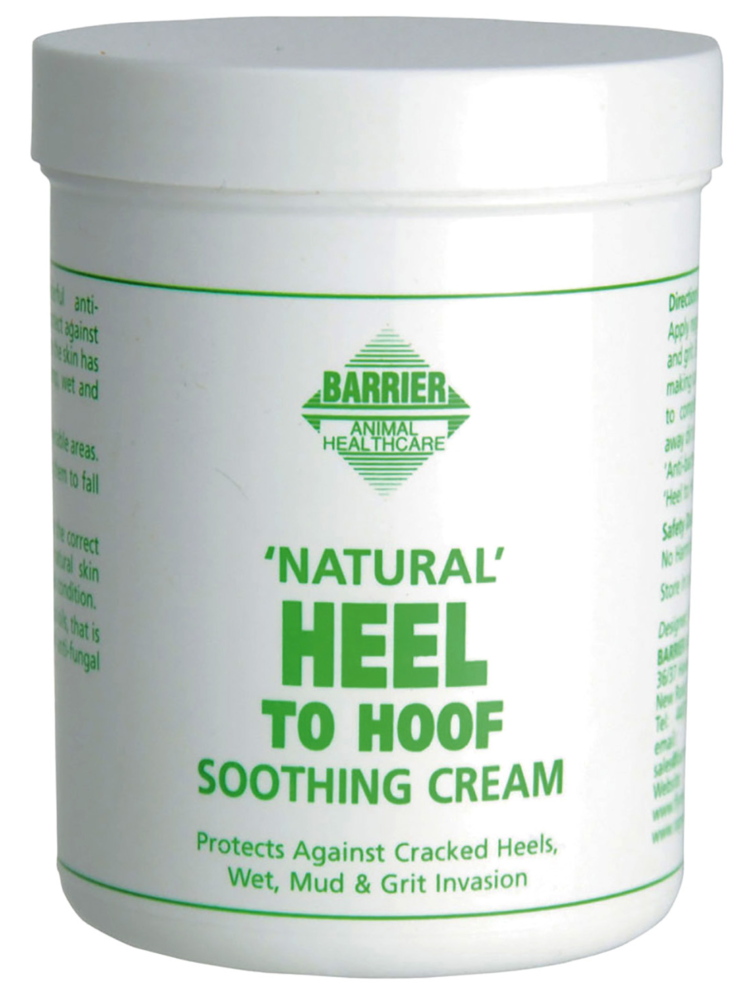
At Cura, we provide a nourishing heel-to-hoof cream that protects vulnerable areas such as legs and heels, from water, grit and dirt. This means you can keep their skin supple whilst gently removing scabs which naturally fall away without any pain to your horse.
Matted hair or bald patches
You might notice your horse itching or biting their legs as they try to relieve their discomfort. This can lead to matted sections of hair as the discharge from scabs or sores can clump their feathers together. In some cases, if itching is severe, it leads to bald patches as repeated rubbing or scratching can cause hair to fall out.
Swelling of their lower limbs
If your horse’s lower leg becomes hot and swollen, this could be a sign of cellulitis, a bacterial infection of the soft tissues beneath the skin. Infection can also cause lymphangitis, which is inflammation of the vessels that help drain fluid from the leg. When these vessels become inflamed or blocked, fluid can build up quickly and cause the whole leg to swell. In severe cases, the swelling can be very painful and the skin may split.
Discharge between the scab and skin
You might notice discharge or pus seeping from the scabs around the lower legs of your horse as the skin becomes damaged and inflamed. This fluid can sometimes harden beneath the scab or it might leak out onto their skin and fur. You need to seek veterinary attention if the discharge has a strong, unpleasant smell or a yellow / thick consistency as it could indicate a bacterial infection.
Broken skin
As your horse’s skin softens due to wet or muddy conditions, the outer layer of skin (known as the epidermis) becomes weaker. This means its natural barrier is compromised, allowing dirt and bacteria to enter. Frequent, persistent scratching can also cause your horse’s skin to break as they rub or bite their legs using their teeth. Grit, soil, and bedding can also rub against their soft skin causing cracks and tears on the surface. This can cause your horse a lot of frustration as they desperately attempt to get some sort of relief.
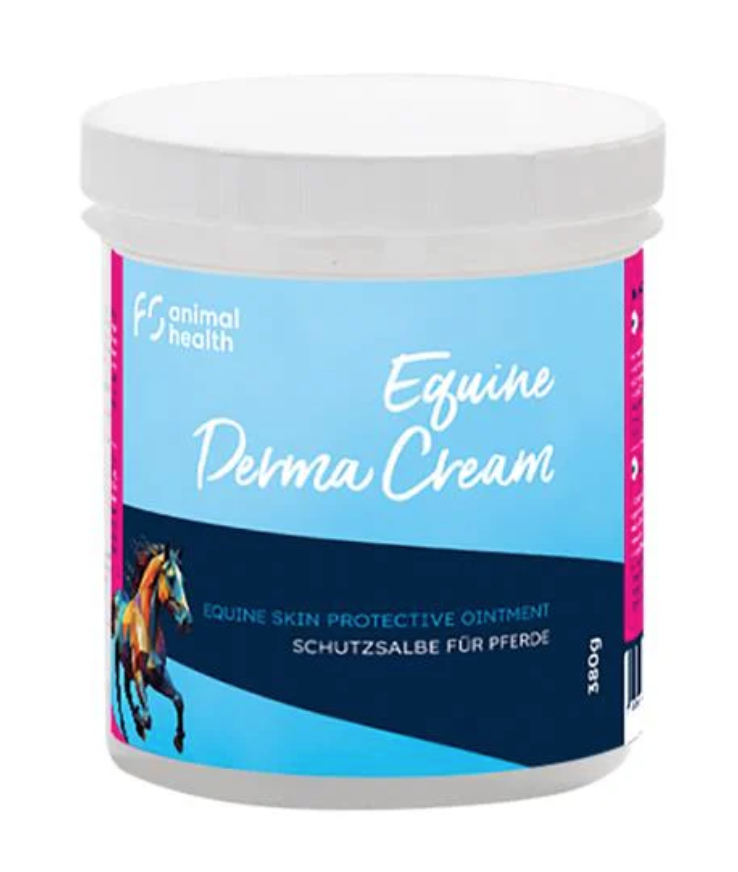
Using equine derma cream helps their skin create a natural barrier in wet conditions as well as general stable or field conditions. Enriched with tea tree oil, zinc, beeswax, and lanolin to soothe your horse’s skin, this is a simple addition to their regular grooming routine.
How to Prevent Mud Fever In Horses
Prevention is always better than cure so it’s useful to know simple ways to reduce the chances of mud fever developing in the first place.
The simplest way is to avoid your horse standing for long periods of time in damp, muddy, or dirty conditions, whether that’s in the field or in a dirty stable. It’s important they have somewhere dry to stand for at least part of the day to help protect their skin from harsh weather.
Furthermore when bringing your horse in from the field, avoid washing their legs straight away. Instead wait for any mud or dirt to dry and harden before brushing it off. Equally important is ensuring their legs are properly dried after washing or applying cream, otherwise this can weaken the skin further and lead to an increased risk of infection.
How to Treat Mud Fever In Horses
If your horse has mud fever, there are a few ways to treat the condition. The best advice is always speaking to a vet first, as they will be able to guide you on the best approach.
- Clip feathers if needed – in severe cases or for horses with particularly long fur, you’ll need to trim hair away so you can properly clean the area. This can be very painful especially if hair is clumped together, so speak to your vet about the best approach.
- Gently remove scabs – some scabs will be soft enough that they will naturally fall off as you wash the area. If scabs are stubborn though, be extra gentle to avoid causing further pain to your horse.
- Soften scabs- If some of the scabs are still attached, ask your vet which cream to use to soften them. They might recommend bandaging which involves applying stable bandages over the cream while your horse is stabled. This can help keep their legs warm and stop the cream from drying out. You can then gently remove any scabs that come away easily.
- Wash the affected area – use a warm, dilute Hibiscrub solution (0.1%) with warm water to clean the area of dirt and bacteria. Leave this solution on for around 10 minutes before rinsing. Never apply full-strength Hibiscrub to your horse’s skin.
- Clean the area thoroughly – once you’ve cleansed the affected area and removed as many of the scabs as possible make sure it’s dried properly. Any remaining areas of damp can weaken the skin so this is an important step.
- Apply a protective ointment – topical treatments such as Synovium Mudcare helps soothe irritated skin from conditions such as mud fever, whilst lanolin provides a protective barrier against moisture.

How to Prevent Mud Fever In Horses: Symptoms and Causes
Knowing how to prevent mud fever in horses is the first step to keeping your horse healthy and happy regardless of weather conditions.
It’s inevitable that they will be turned out for some part of the day during the colder months, so knowing how to keep their skin dry, clean, and protected is key. The tips covered in this guide are backed by genuine veterinary insight so you can be confident you’re receiving the right guidance.
By using a few simple products and maintaining good hygiene, you can make sure your horse’s legs and heels are protected from the elements.