

If you’re curious to learn more about the cause of itchy skin in dogs (also known as pruritis), we have your complete guide.
Our four legged friends can itch for a whole host of reasons from fleas to allergies to parasites. Sometimes it can be difficult to know the reason as it is common behaviour. However if your dog is constantly itching or seems irritated for a prolonged period of time, there might be a more serious underlying cause.
Diagnosing the reason isn’t always easy but we’ve put this guide together to run you through some of the possibilities and how you can better manage the symptoms.
This can be highly uncomfortable for your dog so knowing how to treat it is key to them feeling happy and relaxed.
At Cura, we’re a vet-owned, and vet-run online dispensary providing a range of treatments to help your dog thrive. As dog owners and dog lovers, we know just how important it is for your pet to be happy and comfortable. That’s why we make accessing products easy with quick online ordering.
Let’s start by looking at some of the most common symptoms for itchy skin in dogs.
What Does Itchy Skin Look Like In A Dog?
This might sound obvious, but itchy skin in a dog doesn’t always jump out at you. Whilst itching is obviously the first sign that your dog is irritated, there are other subtle signs to look out for.
These are:
- Licking repetitively
- Chewing or biting
- Pink-stained fur on the feet (if they have white feet)
- Shaking their head (as this can be a sign of itchy/ irritated ears)
- Twitching fur and skin along their sides
- Rubbing against furniture, carpets, or walls
- Hair loss or thinning coat
- Restlessness or difficulty settling
Knowing these other signs of irritation can be key to spotting symptoms early. This can be particularly important in the case of underlying skin conditions, allergies, or infections, where early intervention can help prevent symptoms from getting any worse.
Causes of Itchy Skin In Dogs
Now you know what itchiness in your dog can look like, let’s explore the reasons why your dog might be itchy.
From common causes, to those you might not have considered, this should help you work out why your dog seems irritated. However you should always take your dog to the vets for a professional opinion as they will be able to identify the problem and the best course of treatment.
Fleas and other parasites
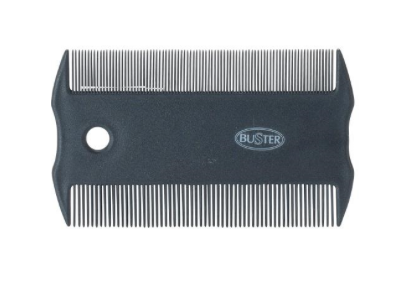
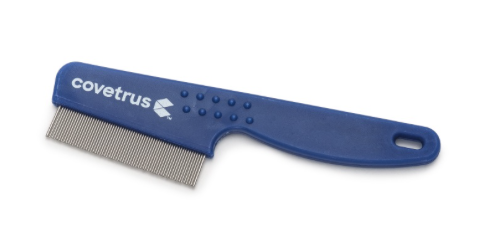
Fleas are one of the most common causes of itchy skin in dogs because their bites can quickly irritate the skin. This can cause intense scratching and leave your dog feeling irritated. It’s easy for dogs to pick up fleas from other animals or when sharing outdoor spaces like parks, gardens, or doggy daycare facilities.
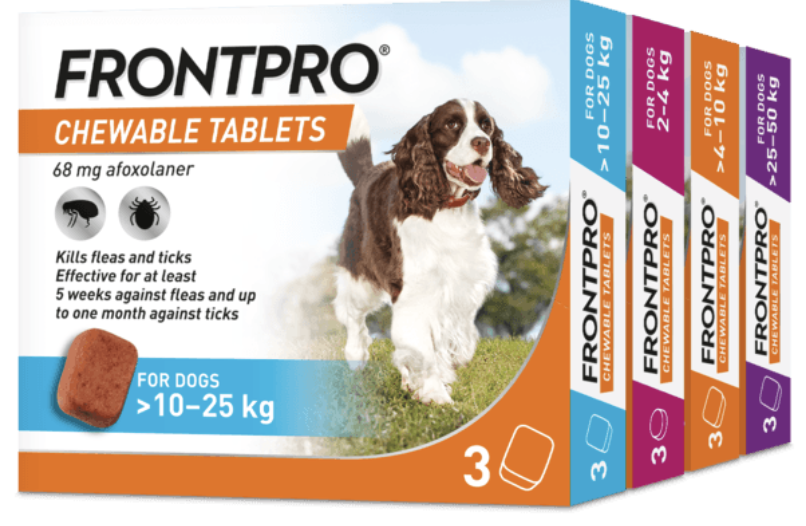
Regular flea and worm treatments can greatly reduce the risk so make sure your dog is regularly treated. At Cura, we also offer a range of products to keep not only your dog protected from fleas, but also your house, as they can easily jump on contact.
Explore Flea Treatments


Skin allergies
Just like their pet parents, dogs can suffer from skin allergies that leave them feeling itchy and uncomfortable. Similar to us, these can be triggered by things such as pollen, dust mites, grass, certain foods, or cleaning products.
You might notice a persistent itching around their paws, ears, stomach, armpits, and face as they try to rub themselves against the carpet or furniture. You might also notice red or inflamed skin, frequent licking, or hair loss in certain areas which can be a tell tale sign of a skin infection.
Whilst diagnosing this is a positive step, skin allergies can be challenging to diagnose and ongoing, and may flare up at certain times of the year. If you have questions, speak to your vet as they might recommend dietary changes or certain shampoos / treatments to help manage the symptoms better.
Food allergies
Food allergies are common in dogs of all ages and can cause itchy skin. This often affects areas such as the paws, ears, belly, and face the most, however each dog is different.
Dogs may also scratch, lick, chew, or rub these areas excessively, and some may develop hair loss, hot spots, or recurring ear infections. Aside from itchy skin, other symptoms tend to develop alongside a food allergy including:
- Vomiting
- Diarrhoea
- Reduced appetite
- Weight loss
- Lack of energy / lethargy
- Restlessness
- Frequent skin infections
If symptoms continue to persist or worsen, always seek advice from your vet as flea allergies and environmental allergies can cause similar signs making it difficult to identify the exact cause.
Atopic Dermatitis
As a long-term skin condition, atopic dermatitis happens when your dog’s immune system overreacts to things in the environment. This could be pollen, dust mites, mould, or grass which can lead to persistent itching. You may also notice red skin, recurring ear infections, or sore patches caused by excessive scratching and licking of the area.
Whilst the condition can’t usually be cured, it can often be effectively managed by using the right treatments such as certain shampoos, allergy medication, or changes to your dog’s environment to help keep flare-ups at bay.
Pollen allergies
This might seem odd as dogs love spending time outdoors and often rolling around in the grass! However dogs can be allergic to pollen which is often worse in certain seasons (spring/ summer) as pollen levels are higher.
Symptoms of pollen allergies in dogs include:
- Itchy skin
- Red paws
- Excessive licking
- Watery eyes
- Sneezing
- Recurring ear irritation
You might notice symptoms worsen after walks or when they’ve been playing outside. Whilst you can’t totally mitigate this, managing the symptoms includes reducing exposure where possible, wiping their paws after walks, and bathing them to remove pollen from their coat.
Your vet might also recommend allergy medication or other treatments to help them feel more comfortable.
Treatments for Itchy Skin In Dogs
There are various treatments for itchy skin in dogs depending on the cause. That’s why identifying the problem is the first step so you can work out how to manage the symptoms for the best.
Whilst some allergies are prolonged, it’s about trying to make your dog feel as comfortable as possible. Whilst each animal is completely different, there are four main management strategies for pruritus in dogs:
Allergen avoidance
For allergies such as food or flea allergies, reducing exposure to the trigger can greatly improve symptoms. Regular flea treatments, specialised diets, home cleaning, and wiping dogs down after walks can all help.
Immunotherapy
If specific allergies are identified through testing, immunotherapy can help desensitise the immune system over time. Small amounts of the allergen are gradually introduced through injections to teach the immune system not to overreact.
Topical therapy
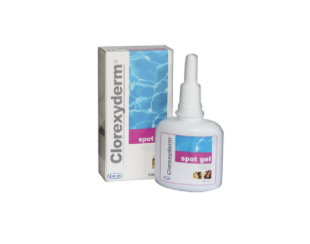
Shampoos, wipes, mousses, and other topical treatments can help soothe irritated skin and control bacteria or infections caused by damaged skin barriers. There are a number of shampoos available on our website that can help manage skin disease, including options that also target low-grade yeast and bacterial infections, such as the Douxo range, Clorexyderm, Peptivet, and the Sensiderm range. Supplements containing essential fatty acids may also support overall skin health.
Explore Sensitive Skin Shampoos


Anti-itch medications
Medications can help relieve severe itching, inflammation, and discomfort while preventing further skin damage from scratching. Treatments may include tablets, injections, antihistamines, or steroids – these must be prescribed by your vet.
Itchy Skin In Dogs: Here’s What Could Be Causing It (with tips on managing dog allergies)
Itchy skin in dogs can be caused by a number of factors such as fleas, dust mites, pollen, or even food. Knowing the cause of the allergy can be difficult but there are things you can do to minimise discomfort for your four-legged friend.
Just like humans, itchy skin in dogs can be higher at certain points of the year so knowing when these flare ups happen, and how to manage them for the best, is key to having a healthy and happy pet.
That said, allergies are complex and treatment is rarely straightforward as each dog will require a treatment plan based on their specific needs. That’s why seeking help from a professional vet is always the best approach as they will be able to look over your dog thoroughly and assess the best course of treatment. They will also be able to prescribe medication if needed to make sure the condition is properly managed.
Itchy Skin In Dogs FAQs
There are several causes of itchy skin in dogs from flea bites, to dust mites, to pollen and food allergies. If you’re unsure on the cause of your dog’s irritation, speak to your vet.
The best treatment for itchy skin in dogs depends on what’s causing it. For example, food allergies are best treated by avoiding those foods, whereas pollen allergies might be better managed by using certain topical creams and wiping their paws/ fur after a walk.
Hypoallergenic dog foods can be a great option for dogs with itchy skin. They often avoid the most common allergens and instead use proteins like fish, duck, or venison and easily digestible carbs such as sweet potatoes.
Furthermore, omega-3 and omega-6 fatty acids are important for skin health as they can help reduce inflammation and strengthen the skin’s natural barrier. These are found in fish oils like salmon and coconut oil. In addition, supplements such as Gomega, Coatex, Dermalease, and Seraquin Skin and Coat can provide additional support for skin and coat health and might help in managing itchiness.
Explore Dog Tick and Flea Treatment
Find effective tick and flea treatments to help keep your dog happy and protected.