Do You Have a Horse with Stomach Ulcers?
Caring for a horse with stomach ulcers is challenging. Treating horses with ulcers requires a multi-factorial approach, combining veterinary care, management, and nutrition. Prevention is always better than cure, so recognising early signs, understanding causes, and applying effective treatment strategies is essential for your horse’s health.
What Are Stomach Ulcers and What Causes Them?
Stomach ulcers, or equine gastric ulcer syndrome (EGUS), occur when the stomach lining develops painful lesions due to excessive acid exposure. Horses naturally produce stomach acid even when not eating, and this acid is usually neutralised by saliva when chewing forage. Disruption to this balance can lead to ulcer formation.
There are two main types:
* Equine squamous gastric disease (ESGD): Ulcers in the upper part of the stomach lining.
* Equine glandular gastric disease (EGGD): Ulcers in the lower stomach lining.
EGUS affects horses of all ages, from foals to adult racehorses, with high-intensity work increasing the risk. Risk factors include feeding practices, stress, medications, training, and transport. Horses are natural “trickle feeders,” so prolonged periods without food increase ulcer risk.
Recognising Clinical Signs
Signs of gastric ulcers can be subtle and variable:
* Poor appetite or selective eating
* Weight loss or reduced body condition
* Behavioural changes – irritability or resistance when tacking up
* Poor performance under saddle – reluctance to go forward, bucking, or unwillingness to canter
* Recurring colic or signs of abdominal discomfort
* Diarrhoea
Remember, horses often continue to eat despite pain, so absence of appetite loss doesn’t rule out ulcers. Contact your veterinary surgeon if you notice any of these signs.
How Are Gastric Ulcers Diagnosed?
A gastroscopy (stomach endoscopy) is the most reliable way to diagnose ulcers. The horse is sedated, and a camera is inserted via the nose into the stomach to visualise the lining. Your vet will grade the ulcers and perform a full health assessment. Fasting before the procedure ensures a clear view.
Treating Horses with Ulcers
Treatment varies depending on ulcer type and severity:
1. Medications
* Omeprazole: An equine-specific proton pump inhibitor that reduces stomach acid production. Available in syringes or gastro-protectant granules. Treatment usually lasts 4 weeks, guided by your vet. These are prescription only animal medications and can only be purchased from your veterinary surgeon or from an online dispensary with a valid veterinary prescription.
2. Supportive Supplements
These are products that are designed to help support the stomach while it heals, or after it has healed from stomach ulcers. They often contain a variety of ingredients including probiotics, prebiotics and calcium carbonate. Calcium carbonate helps buffer the acid – Gaviscon and Rennie contain this to help counteract the effects of excess acid causing heartburn and indigestion in humans.
Examples include :
* Protexin Acid Ease: Contains probiotics, prebiotics, antacids, fibre, and amino acids to help buffer stomach acid and support gut lining.
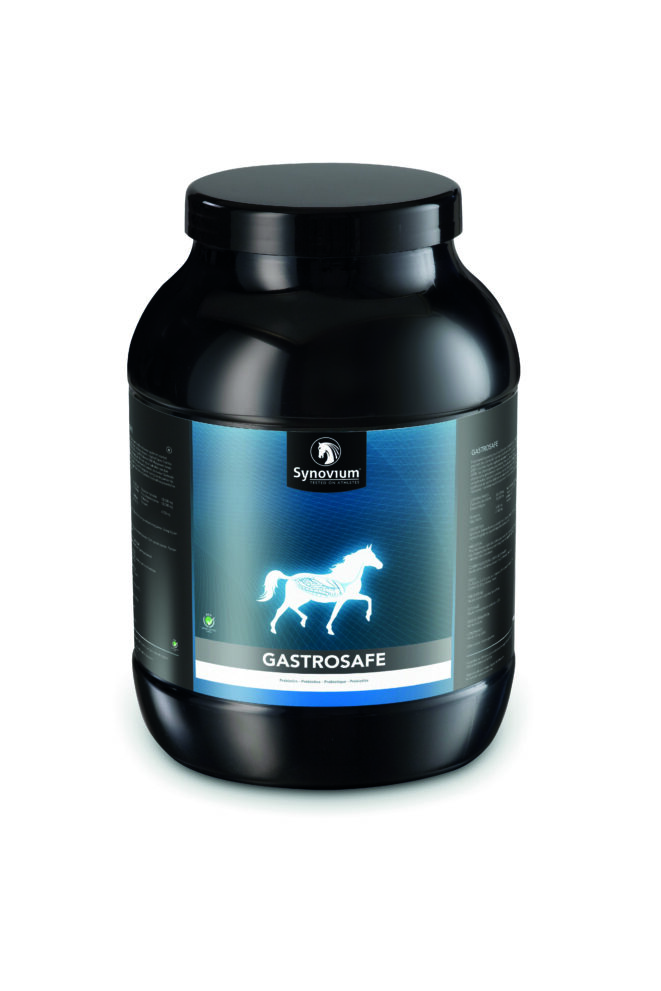
* Synovium Gastrosafe : Contains probiotics, prebiotics, antacids, seaweed, magnesium and important amino acids
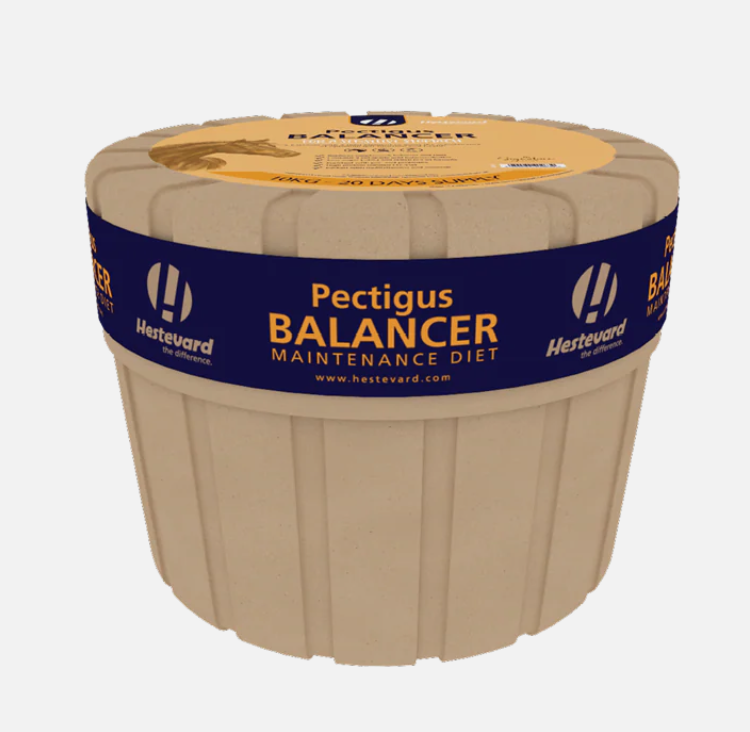
* Hestevard Pectigus Balancer :Contains over 30 vitamins, minerals and amino acids (chelated as needed for improved absorption). Also with prebiotics and probiotics to further support digestion.
3. Management and Husbandry
* Increase forage intake: hay, grass, chaff. Feed smaller, more frequent meals. This all leads to more frequent chewing and therefore increased saliva production which helps buffer the acid in the stomach.
* Reduce starch and sugar in concentrates
* Increase turnout and reduce stress in daily routines.
* Consider feeding chaff before exercise to help buffer acid- this also produces a fibrous mat over the pool of acid in the stomach and helps minimise any splashing of acid onto the stomach walls.
4. Monitoring and Follow-Up
* Some ulcers, especially squamous lesions, may heal in 14–21 days. Deeper or glandular ulcers may require longer treatment.
* Repeat gastroscopy may be advised to monitor healing – please follow your veterinary surgeon’s advice.
Preventing Recurrence
For high-risk or previously affected horses:
- Ensure continuous access to high-quality forage.
- Maintain consistent feeding schedules and avoid long fasting periods.
- Reduce stress from changes in routine, training, or transport.
- Use supplements to support stomach lining where appropriate.
- Maintenance doses of omeprazole are sometimes required in prone horses, or used when the horse may have a stressful time eg travelling and staying away from home
- Regular veterinary checks and early intervention are key.
Conclusion
Gastric ulcers can severely impact a horse’s health and performance. If you suspect your horse has stomach ulcers, seek veterinary advice promptly. By combining proper treatment, nutrition, and management, you can support your horse’s recovery and reduce the likelihood of recurrence.
Dr Nicola Endersby BVMS MRCVS
Downloadable Resource:
[Download Our Free Horse Ulcer Care Guide PDF]
Photo by Clint Patterson on Unsplash
Stomach ulcers, or equine gastric ulcer syndrome (EGUS), are caused by excess stomach acid damaging the stomach lining. Contributing factors include high-starch diets, prolonged periods without forage, stress, intensive training, certain medications, and transport.
Common signs include weight loss, poor appetite, picky eating, behavioural changes (grouchiness or reluctance under saddle), poor performance, recurring colic, and diarrhoea. Some horses may show very subtle symptoms, so always consult your vet if you are unsure.
A vet diagnoses ulcers using a gastroscopy, where a small camera is inserted through the nose and oesophagus to view the stomach lining. Horses are sedated for this procedure, and fasting beforehand ensures clear visibility.
Yes, with the right combination of treatment, management, and diet adjustments. Acid-suppressing medications, supplements supporting gut health, and increased forage intake help healing and reduce recurrence.
Equine-specific proton pump inhibitors (such as omeprazole) reduce stomach acid, often combined with gut-supporting supplements. For glandular ulcers, mucosal protectants may be added. Your vet will determine the correct treatment and duration.
Prevention focuses on reducing risk factors: provide continuous access to forage, minimise high-starch feeds, avoid long periods without eating, reduce stress, manage training intensity, and allow turnout where possible. Routine vet checks are also important.
Yes. Supplements such as buffering powders containing probiotics, antacids, fibres, and amino acids can support the stomach lining and help manage acidity. Products like Protexin Acid Ease, Synovium Gastrosafe and Hestevard PEctigus balancer are some of the supplements often recommended alongside medical treatment.