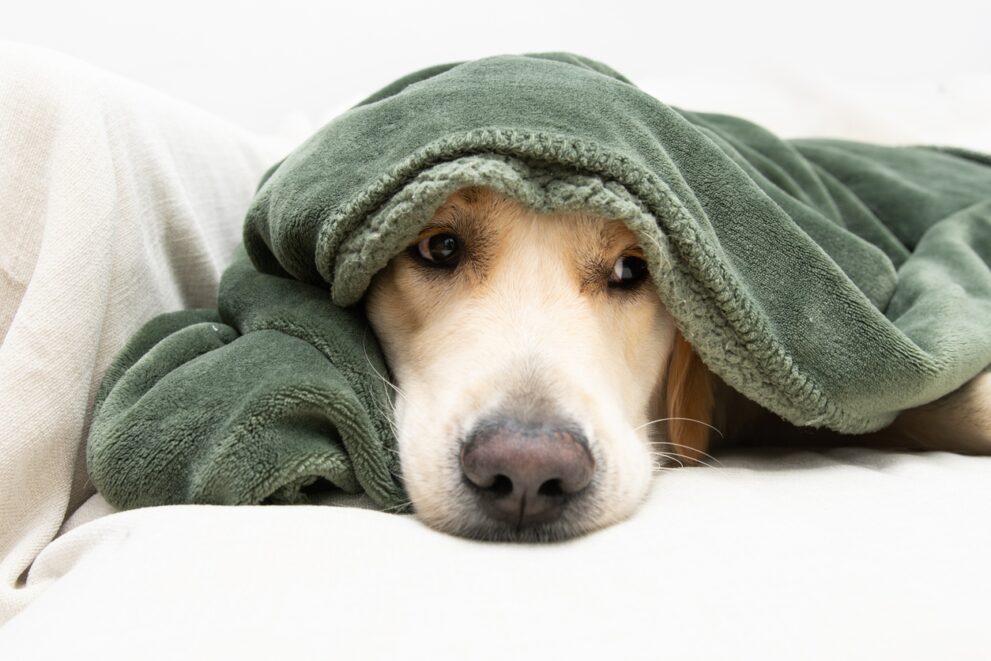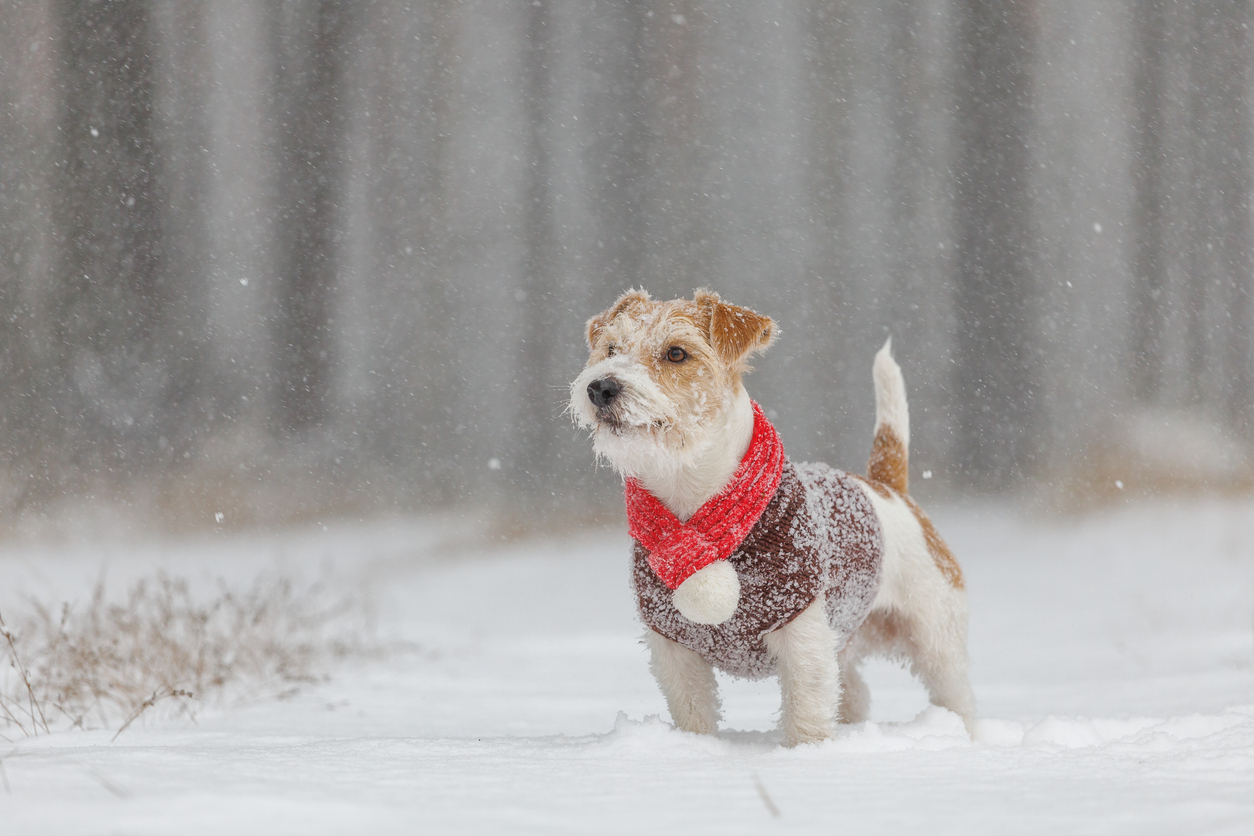
As a pet parent heading into winter, you might be wondering ‘can dogs get cold?’
Often we think of dogs as having big coats that protect them from the elements, but this isn’t necessarily the case. Just like humans, dogs are affected by the cold and this is more prominent in dogs with thin or no fur, older dogs, and puppies.
Thankfully there are lots of ways you can help, from providing a warm, comfortable place for them to sleep, to supplements that help support their bones and joints. For older dogs in particular this can be particularly helpful as the cold usually worsens conditions such as arthritis.
In this complete guide, we’ll be covering which types of dogs are most susceptible to being affected by the cold and also tips to help look after them.
As a vet-owned and vet-run online pet dispensary, we treat your dogs as if they were their own. Our Founder has helped lots of dogs and pet parents over the years, providing expert advice and guidance to help keep their pets happy and healthy. With years of veterinary experience, she understands the importance of keeping dogs comfortable throughout the colder months, particularly those who may need a little extra care.
Can Dogs Get Cold?
Yes, dogs can and do get cold just like humans. Whilst some dogs have big, thick coats (some dogs even have two coats), other dogs have very thin fur or virtually no fur at all.
This means they have no protection against the cold and can be more prone to cold-related illnesses. If they’re outside for a long period of time without the right insulation, they can start to feel uncomfortable, shiver, and struggle to stay warm.
You might notice changes in their behaviour such as shivering, curling up to keep warm, seeking out warmer places, or being reluctant to go outside, all of which can be signs that they are struggling to regulate their body temperature.
Are Some Dogs More Vulnerable to the Cold?
As we’ve discussed, some dogs are more susceptible to the cold than others. This makes keeping an eye on these dogs during winter even more important, especially when they’re outside i.e. on long walks. Also if there are times when they’re sitting stationary for a while, such as outside of a cafe or at the park, making sure they have a dog coat on can make a big difference.
Below is some further detail on which dogs need extra protection during the cold:
- Puppies – Puppies can struggle in colder conditions as their bodies are not yet able to regulate their temperature. Their smaller size also means they can lose body heat more quickly compared to a bigger dog. This is why it’s important to limit their exposure to very cold weather and make sure they have a warm place to rest.
- Dogs with thin or no fur – This includes breeds such as Whippets, Chihuahuas, and Greyhounds as unlike breeds with thick coats, these dogs have less natural insulation to protect them. This means they can lose body heat quickly, so it can be a good idea to put a dog coat on them during winter walks.
- Dogs recovering from surgery or an illness – If a dog is recovering from an operation or has recently been ill, they may be less able to cope with colder temperatures. This can be worsened if their fur has been shaved for treatment as this will leave them more exposed.
- Older dogs – As dogs get older, they can become more sensitive to the cold. They’re also more likely to suffer from joint problems such as arthritis which can worsen during winter. This makes it particularly important to keep them warm and comfortable.
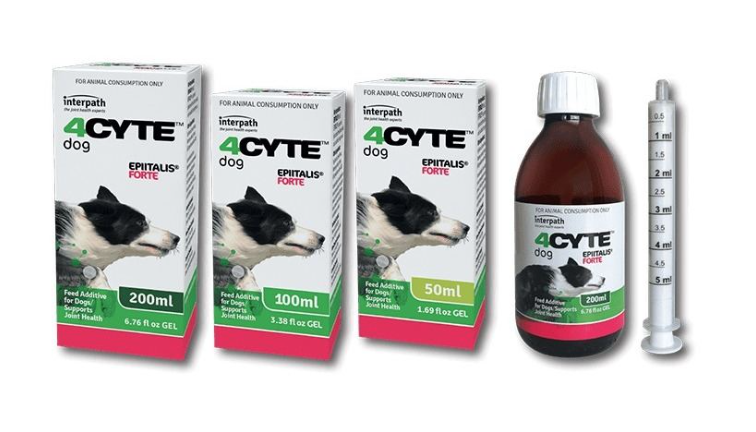
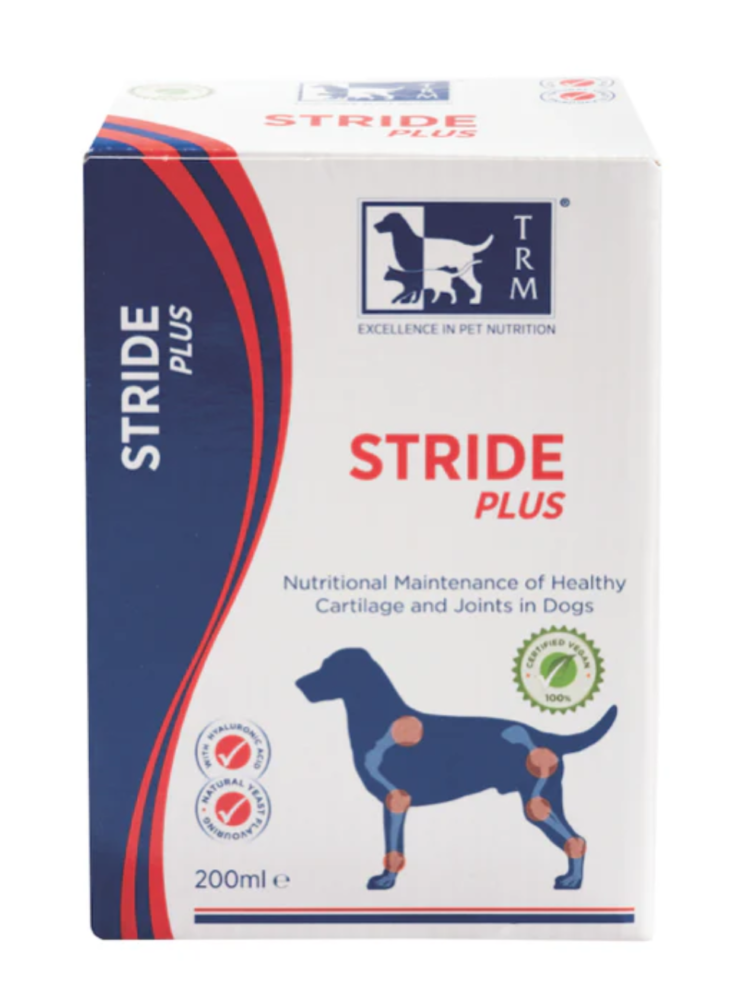
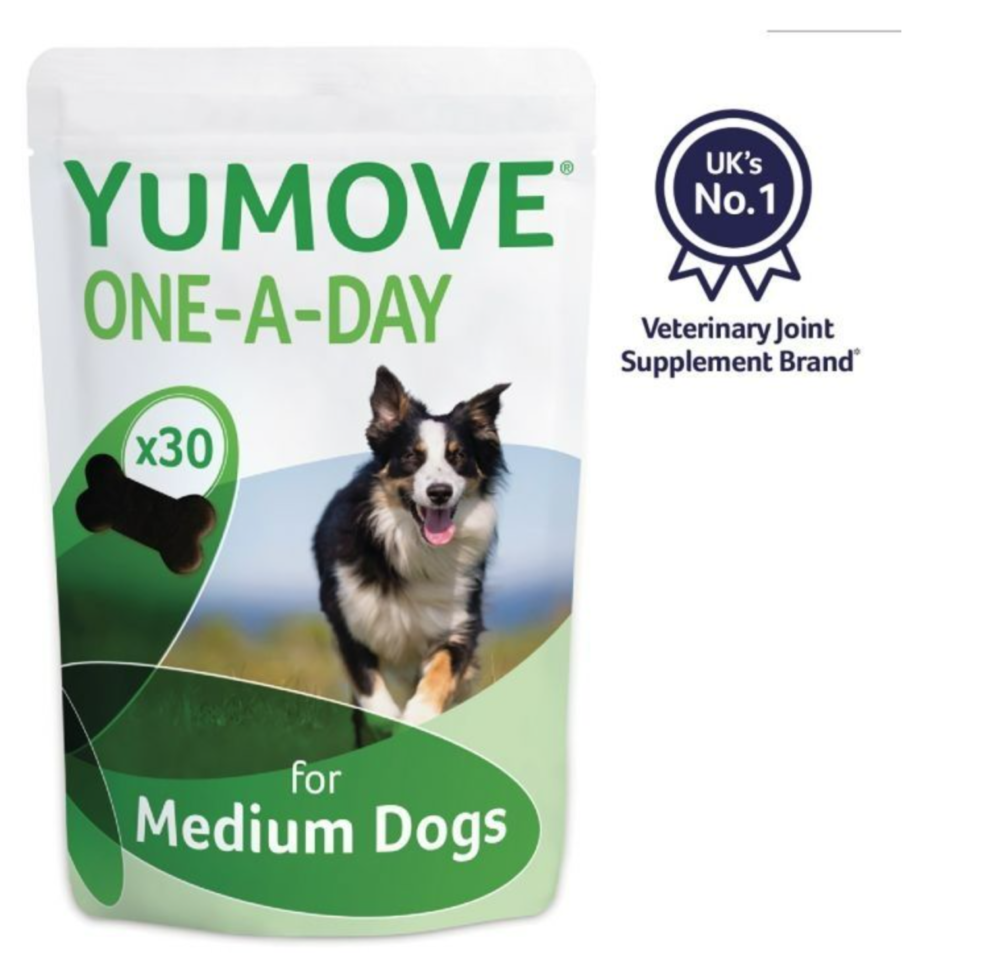
At Cura, we provide a range of supplements and vitamins to help support your dog’s mobility. This can be helpful for any dog at any age, enabling them to maintain healthy joints through all stages of life. These are available in different forms such as gels, tablets, joint strips, chews, and liquid supplements.
Explore Dog Joint Supplements


How to Keep Your Dog Safe In the Cold
Keeping your dog comfortable in the cold can be simple, once you know how. It doesn’t mean they can’t spend time outdoors during winter as this can negatively affect their wellbeing and health. Below are some simple tips to keep your four-legged friend happy all year through.
Buy them a dog coat
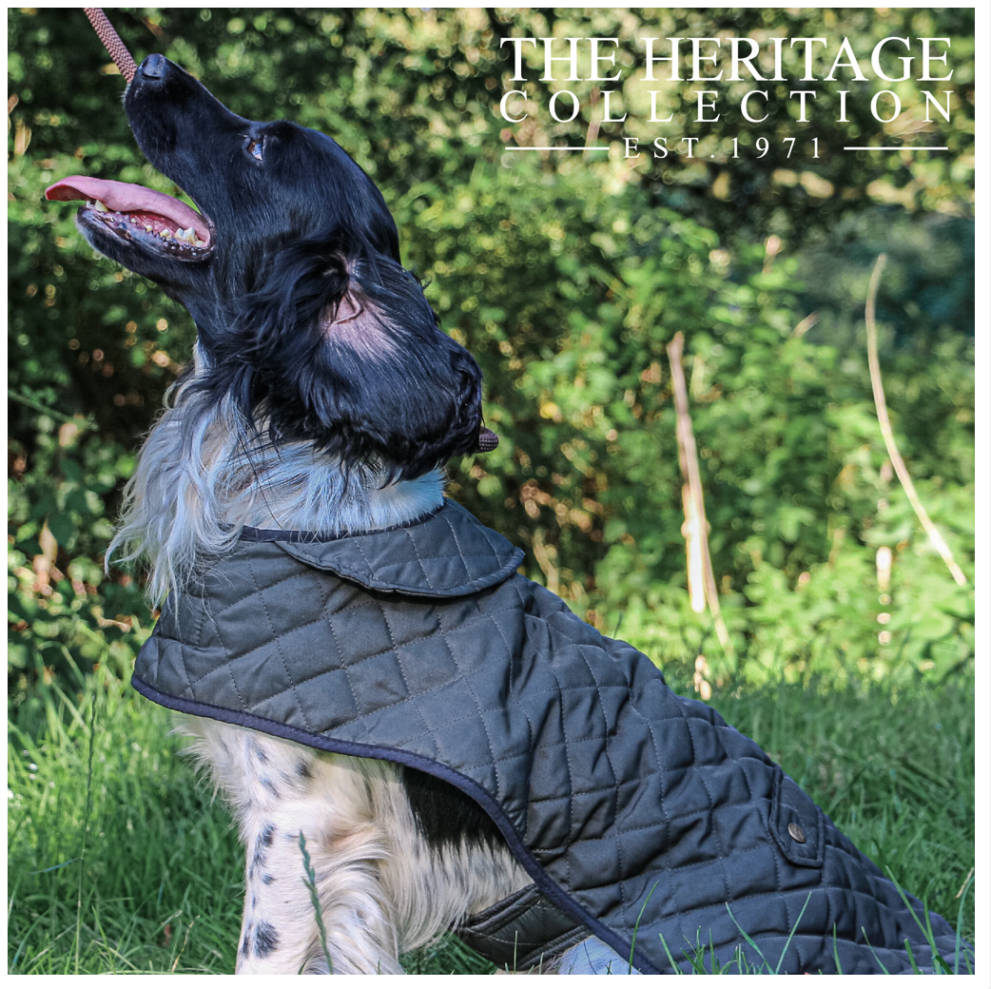
A dog coat is one of the simplest ways of keeping your dog warm during winter as it provides a good layer of protection, whilst still being breathable. Be sure to measure your dog properly so you can buy a coat that fits them comfortably. Also if your dog likes to run, buy a coat which is secure so you don’t have to worry about it falling off or moving out of position.
Explore Dog Coats


Make sure they’re microchipped
It’s a legal requirement for all dogs to be microchipped, but aside from that, this gives pet parents peace of mind if their dog were to go missing. With the microchip, any dog can be scanned to reveal their home address and contact details, helping you retrieve your furry friend if they slip away on a walk.
Keep them active
As we said before, it can be easy to forget about your dog sitting or lying stationary if you’re out having a coffee or catching up in the park. Try to keep them moving where possible, as physical exercise helps generate body heat and improve circulation.
Trim long fur
Whilst having long fur can be a benefit in cold temperatures to help keep your dog warm, it’s also easy for snow balls to become trapped. This usually happens in areas around the paws and ears which can be very uncomfortable for your dog. As the hair here is usually quite loose, keep it trimmed during winter to help avoid anything building up.
Get a reflective collar / lead
Colder temperatures also bring darker nights, so keeping your dog safe means making sure they are visible. This is particularly important if you’re walking your dog early in the morning or late at night as you’ll be relying on street lights. Again, if your dog was to slip away from you, this would ensure they could be more easily seen.
Give them somewhere warm to sleep
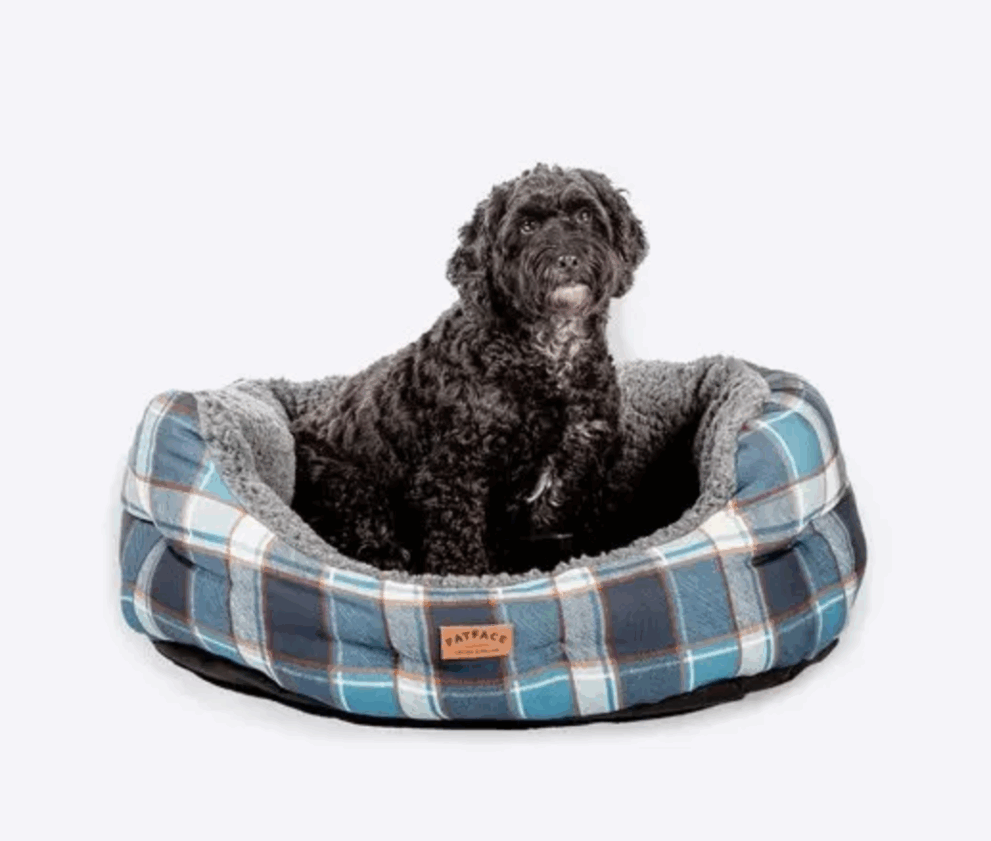
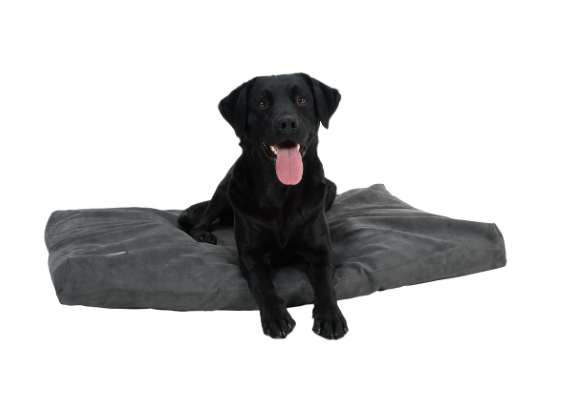
You might notice your dog sleeping more when it’s cold as they try to conserve their energy. Making sure you provide a cosy, comfortable place for them to sleep is important so they can properly rest and stay warm. Try and position their bed away from draughts such as the front / back door where possible.
At Cura, we have a range of comfortable dog beds in various sizes to suit any home and dog breed.
Browse Dog Beds

Wipe their paws
After a walk, wipe their paws to dry off any water, snow or ice. If their paws are left wet, they can lose body heat more quickly, making them feel even colder. This is a simple habit that takes only a few minutes but can help keep your dog comfortable.
What Temperature Is Too Cold for Dogs?
Generally for dog breeds that are more sensitive to the cold, the RSPCA advises that temperatures below 10°C can cause discomfort.
In the UK, dogs generally don’t live outside unless they are working dogs. In this scenario, you need to ensure that they have an extra source of heat such as blankets and bedding as well as a dry, insulated kennel.
It’s not recommended to keep your dog outside all of the time, as how cold is too cold, differs from one dog to the next. As discussed in this guide, some dogs are more vulnerable to the cold than others depending on their age, health, and breed.
Winter Safety Tips for Pets
There are various things to look out for during winter which can be harmful to your dog. This includes antifreeze, rock salt, and Alabama Rot (which is incredibly rare).
Starting with antifreeze poisoning, this is generally fatal. However, getting your dog to the vet as soon as possible can increase the chance of survival. Antifreeze poisoning can happen when your dog accidentally licks or drinks antifreeze which can come from spillages or leaks underneath cars. Even a small amount can be toxic, so seek veterinary attention immediately if you suspect your dog has ingested any.
Another substance to be aware of particularly during the winter month is rock salt which is used to grit the roads in icy conditions. If your dog ingests this, it can cause severe thirst, vomiting, and lethargy so your dog needs to be taken to the vets immediately.
Alabama rot is often picked up by dogs who are walking in the countryside. As a rare but serious disease, it’s associated with dogs walking in muddy, wooded areas, particularly during the colder. months. Although the exact cause is still unknown, it can lead to painful skin sores (often on the legs and paws) and in extreme cases can cause kidney damage.
Can Dogs Get Cold? How to Keep Your Dog Warm in Winter
Just like humans dogs can get cold, especially if they’re a breed with thin fur, or an older dog. This means keeping an eye on them during winter is important to ensure they have enough protection from the cold, as well as a comfy place to rest indoors.
By following the advice in this guide, you can make sure your four legged friend is happy all-year round, regardless of their age or breed. The points outlined in this blog are easy habits to get into and ensure your dog lives a healthy and happy life.
As a vet-run and vet-owned online dispensary, you can be confident the information in this blog is backed by real insight. We’ve helped lots of pets and pet owners over the years, so we understand the importance of giving your dog the right care.